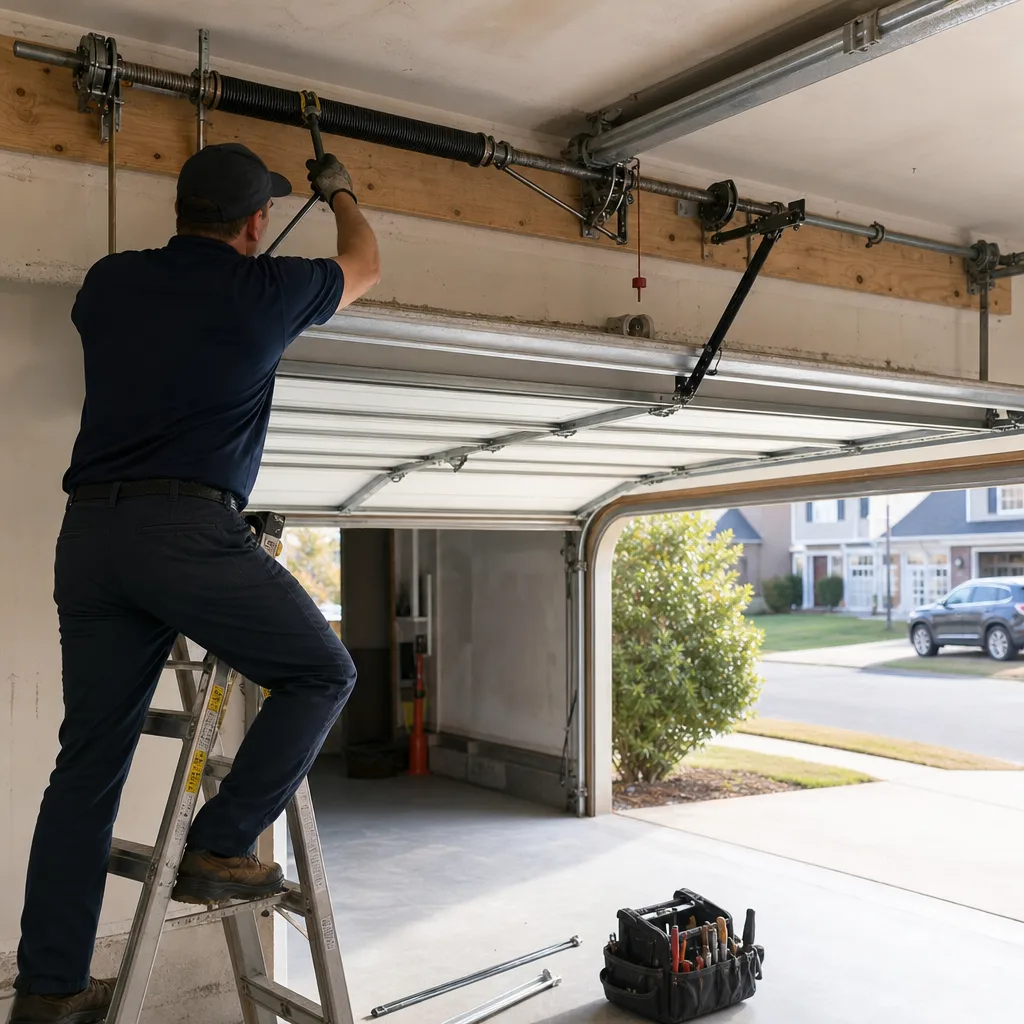
Last updated November 23, 2026
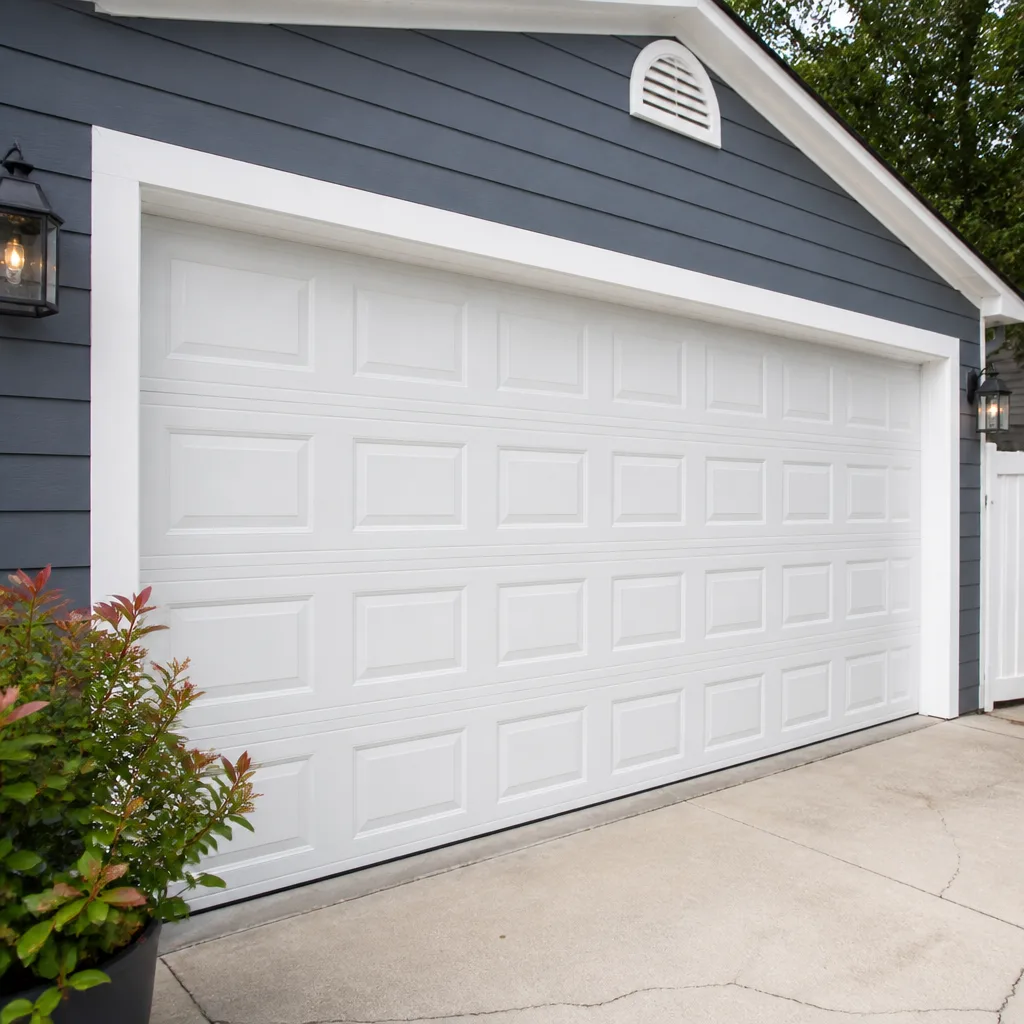 Raised-panel steel
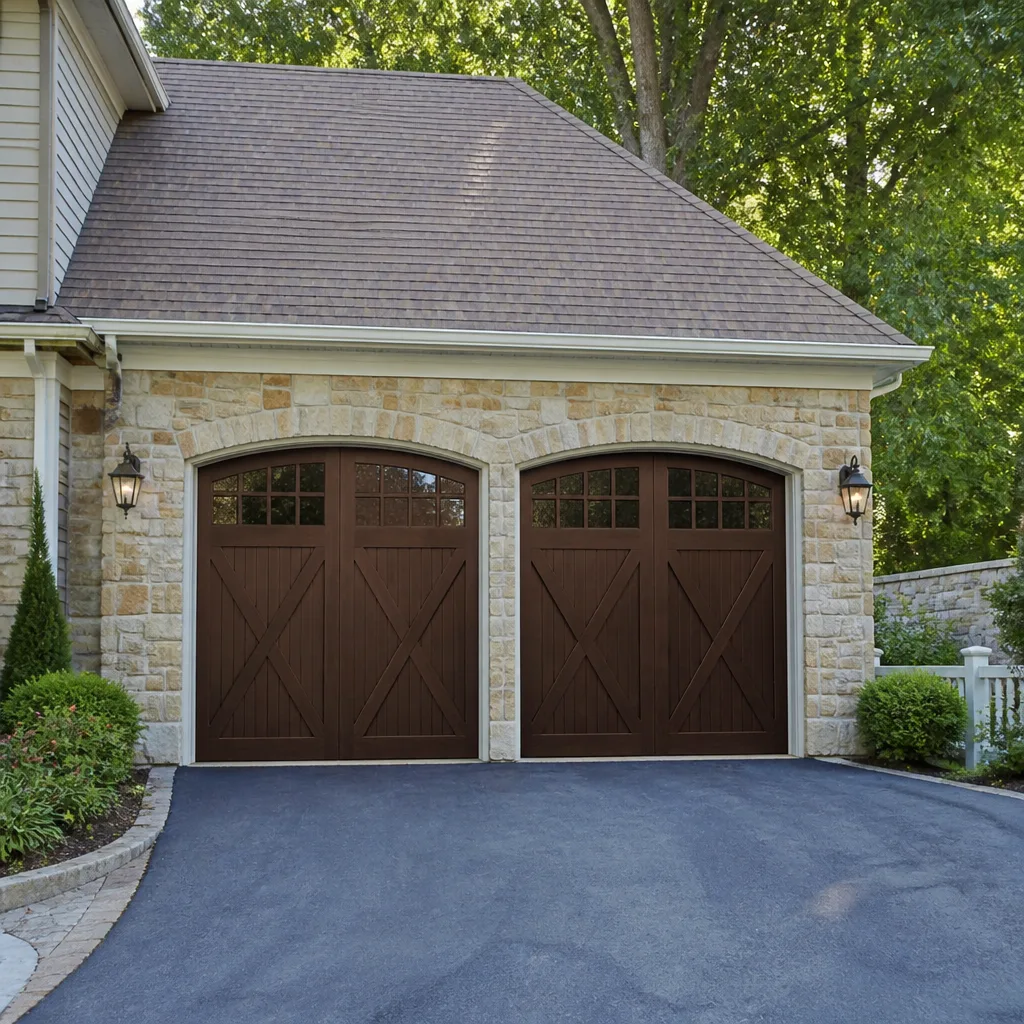 Carriage house
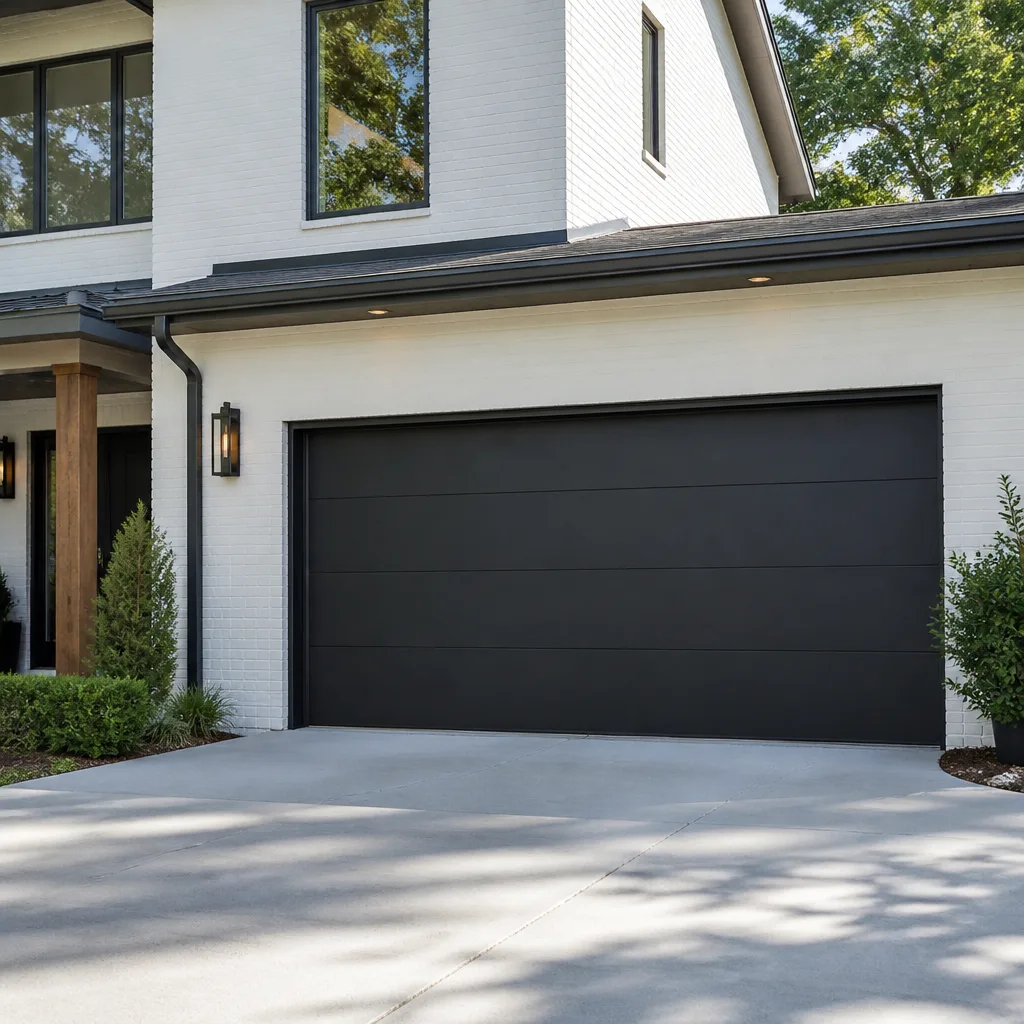 Modern flush
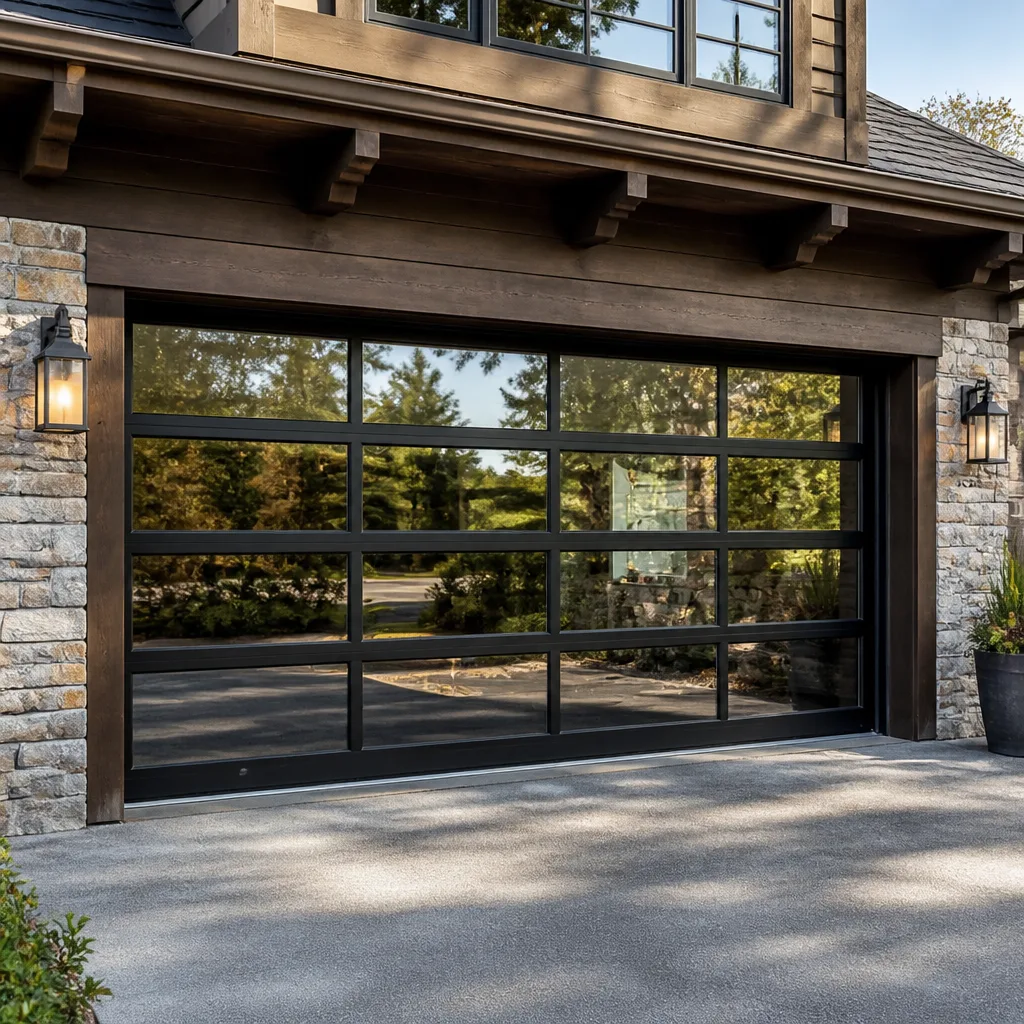 Full-view glass
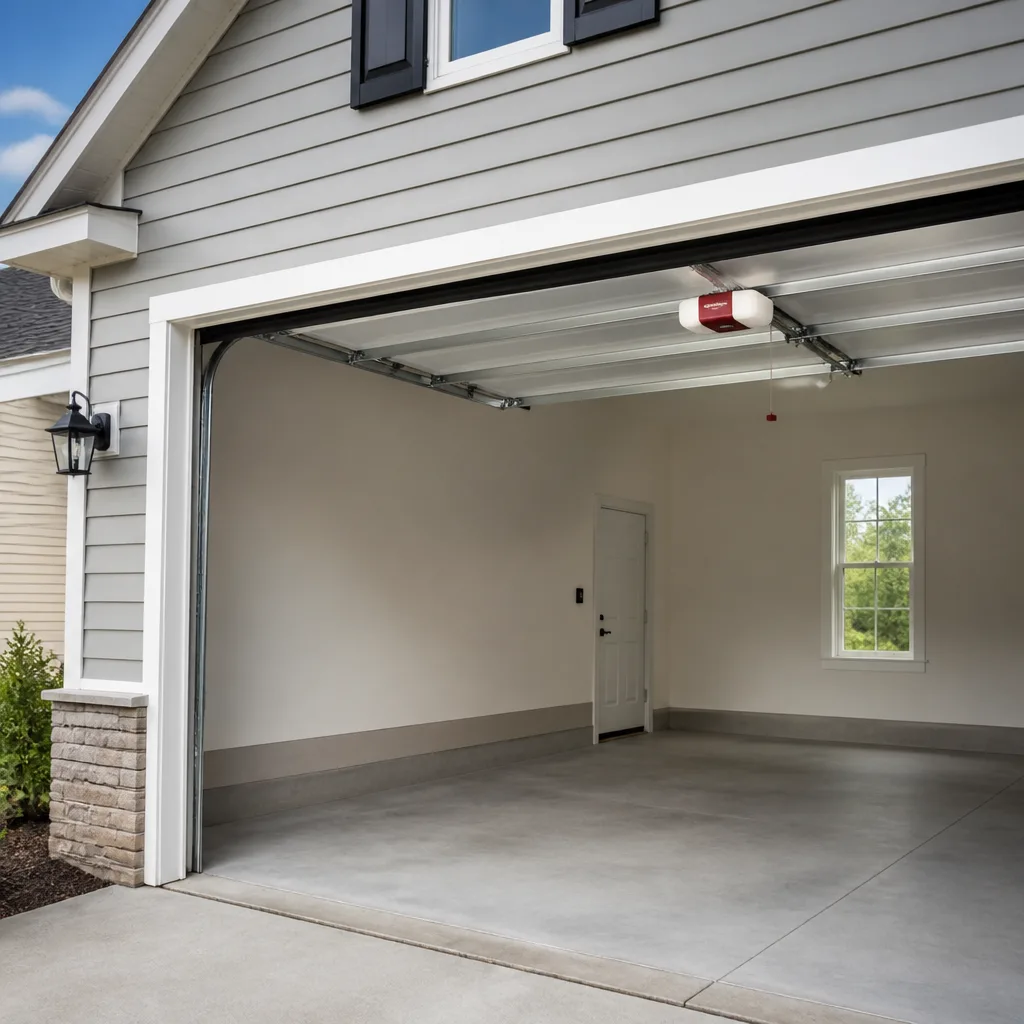 LiftMaster openers
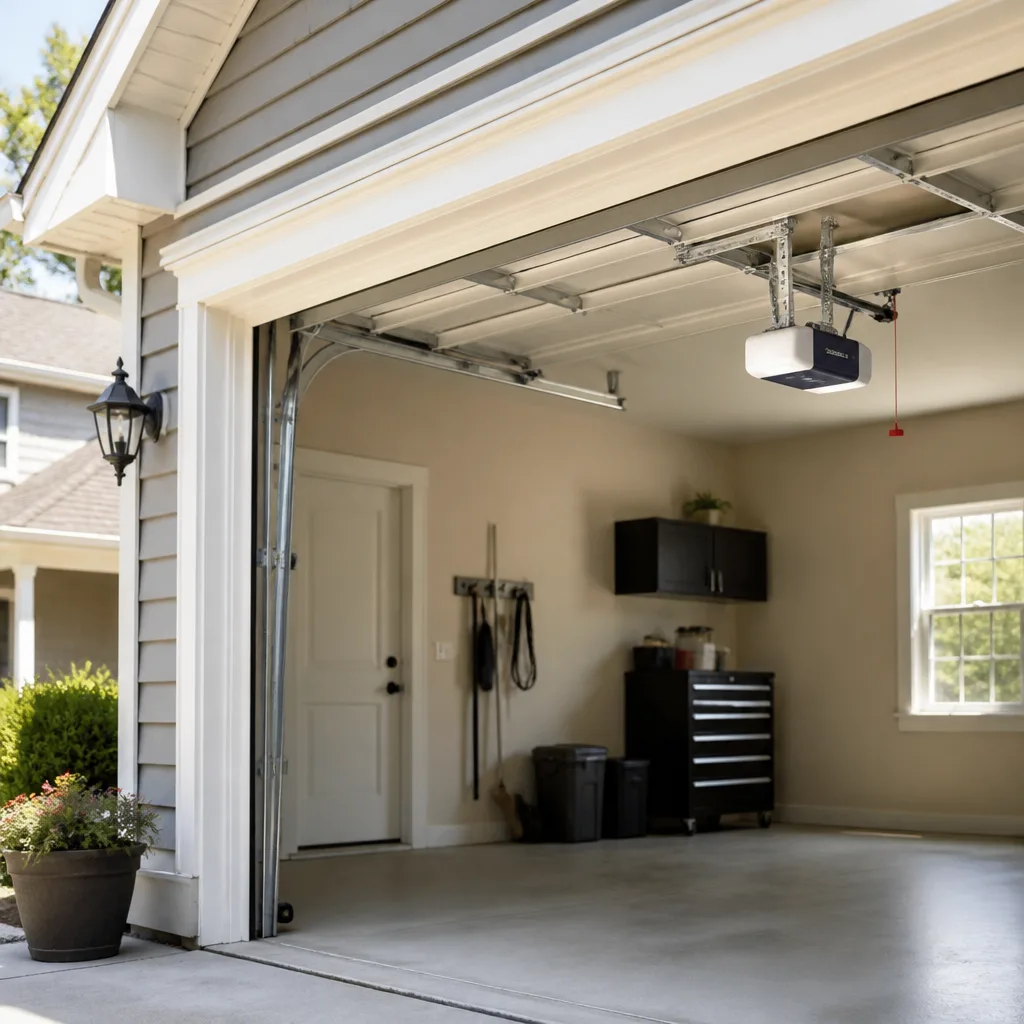 Chamberlain openers
Full 25-point door and opener safety check with every visit - springs, cables, rollers, tracks, and your LiftMaster or Chamberlain opener included
You get a price before we start. It does not change when the pro arrives.
Get your free estimateThe Complete Guide to Garage Doors in South Riding
Here’s something most homeowners don’t realize until it’s a problem: the garage door is the largest moving assembly in the house, and in South Riding it gets used more than any other. Most of this community went up between 1999 and 2008, which means a big share of the builder-grade doors installed back then are now at the end of their 15 to 20 year service life. That puts a wave of replacements in progress right now, and most people have no baseline for what’s normal, what’s repairable, and what it actually costs. This guide is our attempt to fix that. We’ll walk through the local challenges that national garage door guides skip: HOA rules, the freeze-thaw line, low-clearance townhome bays, and how to pick a door that survives South Riding for the long haul.
Quick Answer
A garage door in South Riding typically needs replacement once it reaches 15 to 20 years old, when builder-grade steel has rusted along the bottom section, springs have cycled out, or panels have warped against the humidity swings. Most repairs – springs, openers, tracks, and panels – are far cheaper than replacement and worth doing first. For a new door or a major repair, get a free on-site measure and a written estimate before anything is ordered; for a broken spring, a door off its track, or a failed opener, same-day and emergency appointments are available.
Styles & brands we work with
- Raised-panel steel
- Carriage house
- Modern flush
- Full-view glass
- LiftMaster openers
- Chamberlain openers
Table of Contents
- How HOA Covenants in South Riding Affect Your Door Choice
- Freeze-Thaw and Humidity: What South Riding Weather Does to a Garage Door
- Choosing a Door Material for South Riding’s Climate
- Low-Clearance Garages in South Riding Townhomes
- Opener Types and Brand Compatibility
- Realistic Lifespan and Replacement Timeline
- What Garage Door Work Costs in South Riding
- Common Mistakes to Avoid
How HOA Covenants in South Riding Affect Your Door Choice
South Riding is a master-planned community, and that means the architectural review process applies to your garage door just like it does to your fence or your paint color. When you replace a door, you’re not just picking something you like; you’re picking something the HOA will approve. The three things that get flagged most often:
- Color. Doors usually have to match the existing palette or one of a short list of approved colors. A custom bronze that looks great in a showroom may not be on the approved list for your section of the neighborhood.
- Panel style. Raised-panel versus recessed-panel, long-panel versus short-panel, and carriage-house styles all get reviewed. Switching from a plain raised panel to a carriage-style door is a common request that often needs formal approval rather than a quick sign-off.
- Window placement. Adding windows to a door that didn’t have them, or changing the layout of the ones that did, will usually trigger review. Some sections restrict glass entirely for privacy or uniformity.
The order of operations matters. Pick the door you want, get the specification sheet from the manufacturer (color code, panel style, window configuration), and submit it to the HOA architecture committee before you order. Buying first and asking later is the single most common way homeowners end up paying restocking fees or eating the cost of a door they can’t install. If your home was built in one of the earlier phases, the covenant language and the approved color list can be different from what’s on file for newer sections, so request the current document for your street rather than relying on what a neighbor did.
One more note: many South Riding builders used the same door style across entire blocks. Replacing with the same style and color is almost always the fastest path through review, even if it’s not the most exciting. If you’re set on a different look, budget extra time for the committee to meet.
Freeze-Thaw and Humidity: What South Riding Weather Does to a Garage Door
South Riding sits along the Loudoun and Fairfax county line, and that puts it squarely in a zone that swings hard between seasons. Humid summers push moisture into every gap, and icy winters drive frost into the same spots. The freeze-thaw cycle is the part most installers gloss over, but it’s what degrades a door first.
Here’s what actually happens. Overnight the temperature drops below freezing and any moisture trapped along the bottom of the door expands. By midday it thaws. Repeat that dozens of times over a winter and two things fail: the bottom weather seal, and the steel along the bottom section. The seal cracks and pulls away from the retainer, letting cold air and moisture into the garage. The steel, already getting wet on every thaw, starts rusting from the bottom up. That rust is the number one reason doors in this area age out earlier than people expect.
The fix is spec, not luck. When you replace a door or have the seal serviced, ask for:
- A heavy-duty bottom rubber seal – a thicker, more flexible bulb or U-shaped seal rated for cold weather, not the thin foam strips that come on builder-grade doors.
- An aluminum or vinyl bottom retainer that holds the seal tight to the door instead of letting it sag.
- Brush or vinyl weatherstripping on the sides and top, so the gaps around the door are sealed against wind-driven rain and cold.
- A threshold seal or floor seal across the concrete if your slab slopes or has a low spot where water pools.
These are cheap upgrades during a replacement and easy to skip if you don’t ask. Ask.
Choosing a Door Material for South Riding’s Climate
The right material for a South Riding door is the one that survives both a humid July and a freezing January without warping, rusting, or cracking. Here’s how the major options stack up for this area specifically.
Steel
Steel is what most South Riding homes were built with, and it’s still the most common replacement. The gauge of the steel matters more than the brand name on the sticker. A 24-gauge door is the budget end; 25-gauge and thicker hold up better against dents and flex. For this climate, look for a steel door with a hot-dipped galvanized coating and a factory-applied finish, because those two things are what determine how fast it starts rusting along the bottom. Steel is the best value for most homes and the easiest to match to existing trim and color.
Composite and Fiberglass
Composite and fiberglass doors don’t rust, which is their main advantage along the freeze-thaw line. They hold paint and stain well and often mimic wood convincingly. The trade-off is cost, and in very cold snaps some fiberglass doors can become brittle at the seams. They’re a good fit if you want a carriage-house look without the maintenance that real wood demands.
Wood
Real wood is beautiful and a poor match for this climate unless you’re prepared to maintain it. The humidity swings that are fine for steel and composite will have a wood door swelling and shrinking seasonally, and painted wood needs regular repainting to keep moisture out. If you love the look, a composite that mimics wood gets you most of the way there with far less upkeep.
Insulation
Insulation is worth its own line. An insulated door matters in South Riding for two reasons: the garage sits against the house, so a cold or hot garage pulls temperature into the rooms above and beside it, and an insulated door is quieter and stiffer, which means fewer rattles and less vibration on the opener. If your garage shares a wall with a bedroom, insulated is the answer.
Low-Clearance Garages in South Riding Townhomes
A lot of South Riding townhomes and stacked-garage designs have low-clearance bays – less ceiling height than a standalone house garage, or a header that drops down right where the door track needs to run. That’s a genuine constraint on what door and opener you can install, and it trips up generalists who bring a standard door and standard opener and only discover the problem on install day.
Here’s how to handle it:
- Measure ceiling height, header depth, and the side clearance between the door opening and the nearest wall. Those three numbers determine what fits.
- For a low-clearance ceiling, look at a low-headroom track or a high-lift track if the ceiling height allows it, rather than a standard radius track.
- Choose an opener rated for low clearance – a side-mount jackshaft opener sits on the wall beside the door instead of hanging from the ceiling, which is often the only way to fit an opener into a bay where a chain-drive rail would have nowhere to hang.
- Confirm the door’s panel height fits between the floor and the lowest obstruction. A standard 7-foot door won’t fit a bay designed for a 6-foot-6 door, and the panel count changes accordingly.
- Test the springs against the door weight. A low-clearance door often needs different spring sizing than a standard door, because the panel count and track geometry change the load.
This is where brand-familiar technicians earn their keep. Knowing how Raynor and LiftMaster low-clearance products spec out saves a lot of trial and error, and it’s the difference between a door that runs smoothly and one that binds at the header. If you’re in a South Riding townhome, ask the estimator to bring a tape measure and check the ceiling before they quote.
Opener Types and Brand Compatibility
Openers are the part of the system most homeowners only think about when they stop working. The good news is that the major brands – LiftMaster, Chamberlain, Genie, and Raynor among them – all have well-documented drive types, and a technician who knows the brand can diagnose and repair almost any unit you already own rather than pushing you toward a full replacement.
Here’s the landscape in plain terms:
- Chain-drive is the loudest and most economical. It’s durable and simple to repair, and it’s still common in South Riding homes from the earlier build years.
- Belt-drive is quieter and smoother. It’s the right pick where a garage shares a wall with a bedroom.
- Screw-drive sits in the middle: fewer moving parts than chain, a bit louder than belt, and near-zero maintenance.
- Jackshaft or side-mount runs on the wall beside the door and is the fix for low-clearance bays. LiftMaster makes one of the more common ones you’ll see in townhome garages.
- Smart-home integration is now standard on most new openers. Chamberlain’s myQ platform lets you open, close, and check the status from a phone, and LiftMaster’s line is built on the same family of technology.
Safety features are where new openers genuinely earn their price: photo-eye sensors that reverse the door if something crosses the beam, and pressure sensors that stop the door if it meets resistance are not optional extras. If you’re still running a unit from the early 2000s, the sensors may not be there at all. That’s a replacement decision, not a repair one. Our garage door opener repair work covers the major brands, so if yours is a Chamberlain or Genie that’s gone silent you don’t need to replace the whole unit to find out why.
Realistic Lifespan and Replacement Timeline
South Riding’s dominant build years were 1999 to 2008, which means the original doors in much of the community are 15 to 25 years old. That’s the range where a garage door moves from “repair what breaks” to “consider replacement.” Here’s a rough way to read the clock.
- Years 0 to 10: Routine maintenance. Replace springs as they fail, keep the tracks clean, and check the weather seal annually.
- Years 10 to 15: First spring cycle-out typically happens here, along with opener wear. Repairs are still the right call.
- Years 15 to 20: Rust along the bottom section, seal degradation, and panel dents start to stack up. This is the window where replacement often costs about the same as another round of repairs.
- Years 20 plus: Replacement is usually the sensible choice unless the door was high-gauge from the start and has been well maintained.
A few signals that you’re past the repair-versus-replace line: rust that has eaten through the bottom panel rather than just stained it, more than one spring replacement on the same door, panels that are visibly warped or misaligned, and an opener that has failed twice in a year. If any two of those are true, start pricing a new door.
What Garage Door Work Costs in South Riding
Pricing varies by door size, material, brand, and access, so treat every number below as a typical range rather than a quote. The written estimate sets the final price, and nothing is ordered until you’ve agreed to it.
- Torsion spring replacement (one spring): the range depends on spring type and door weight. A matched pair is usually replaced together, so an accurate pair estimate is roughly double the single-spring figure.
- Opener repair: diagnostic plus parts, with new opener installation priced higher than repair.
- Panel replacement: depends on whether the panel is still in production and whether color matching is required for HOA approval.
- New door installation: the widest range of all – steel single-car doors land at the low end, double-car insulated carriage-style doors at the high end, plus any HOA-related spec changes.
- Emergency service: typically at a premium over a scheduled appointment for the same repair.
We don’t publish firm pricing because there isn’t a single honest number – a South Riding townhome garage with low clearance and a two-car house garage need different work to solve the same problem. What we will tell you is that spring repair is far cheaper than a new door if the door itself is sound, and that a quote that doesn’t include a written measurement and a specified door brand is a quote you should be skeptical of. For a free estimate, call (877) 509-3053.
Common Mistakes to Avoid
- Ordering a door before the HOA approves it. We’ve seen this end in restocking fees or a door the homeowner can’t install. Submit the spec sheet first.
- Skipping the bottom seal at replacement. The cheapest part of the job is the one that protects the door from the freeze-thaw cycle. Almost every door that rusts out early skipped this.
- Hiring a generalist for spring work. Torsion springs are stored energy under high tension. A technician without the right winding bars and training is a serious safety problem, and this is not a job to attempt at home.
- Assuming a standard high-clearance door fits a townhome bay. Low-clearance garages are common in South Riding, and the door and opener both have to be spec’d for the actual ceiling height.
- Replacing an opener when the problem is the door. A binding door, a misaligned track, or a worn spring puts strain on the opener that looks like an opener failure. Diagnose the door first.
- Ignoring a warped or rubbing door until the panel dents. The longer a door drags on its track, the more expensive the repair gets.
- Buying on appearance alone. Gauge, insulation, and finish matter more than panel style in this climate, though we understand the look matters too.
See the difference
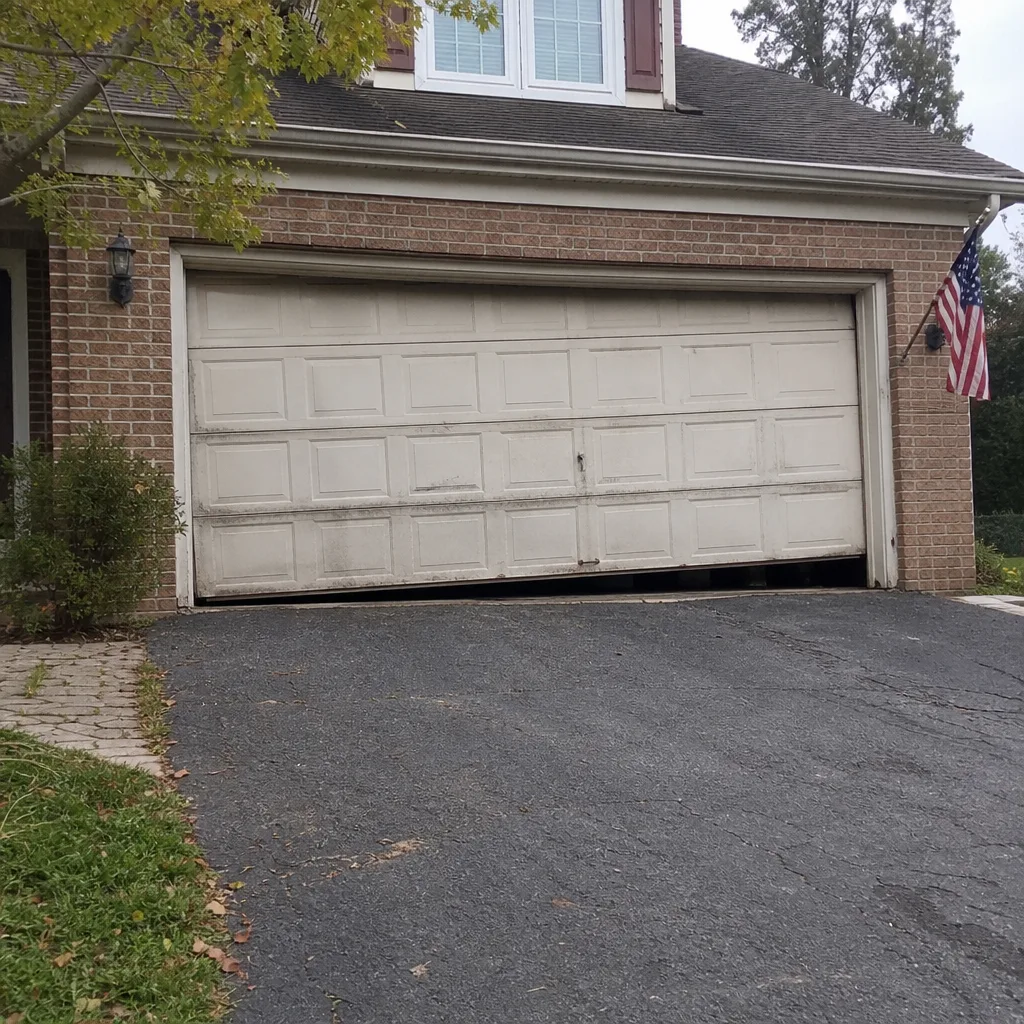 Before
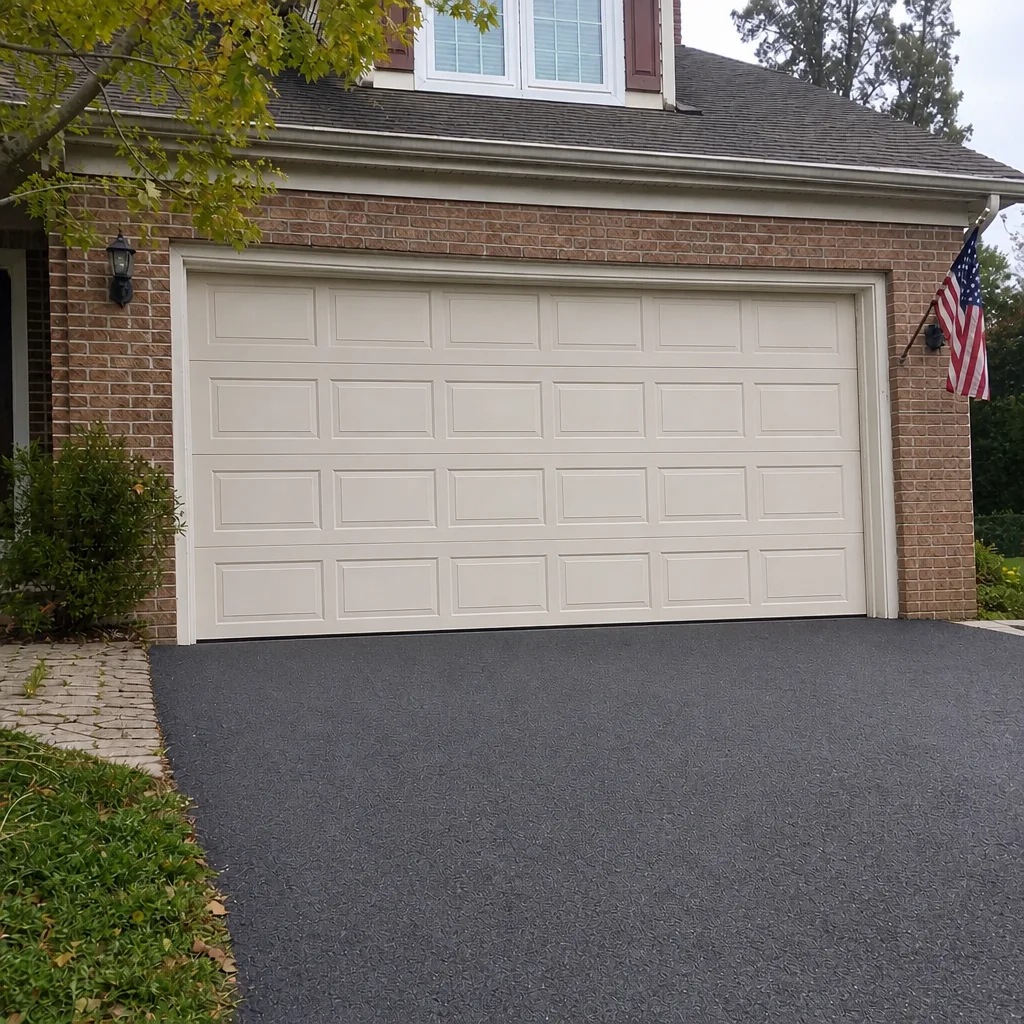 After
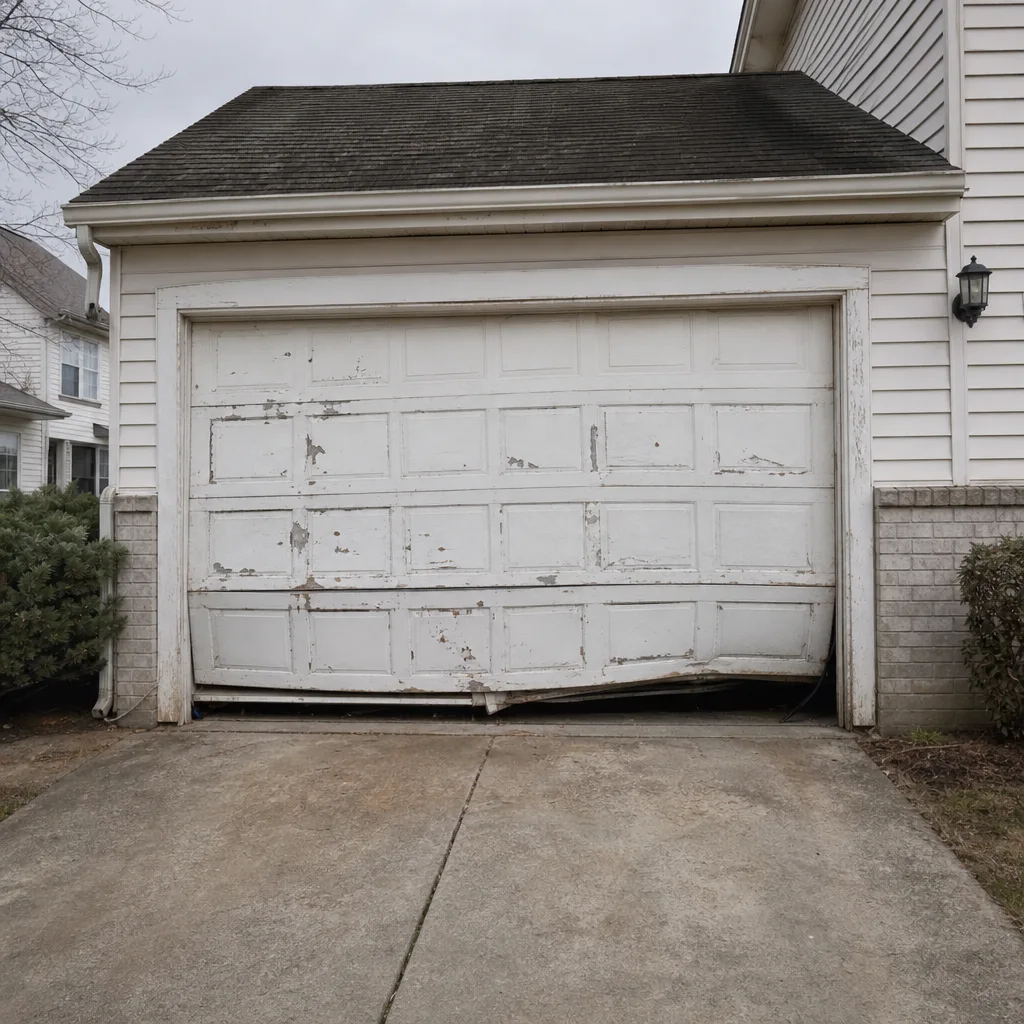 Before
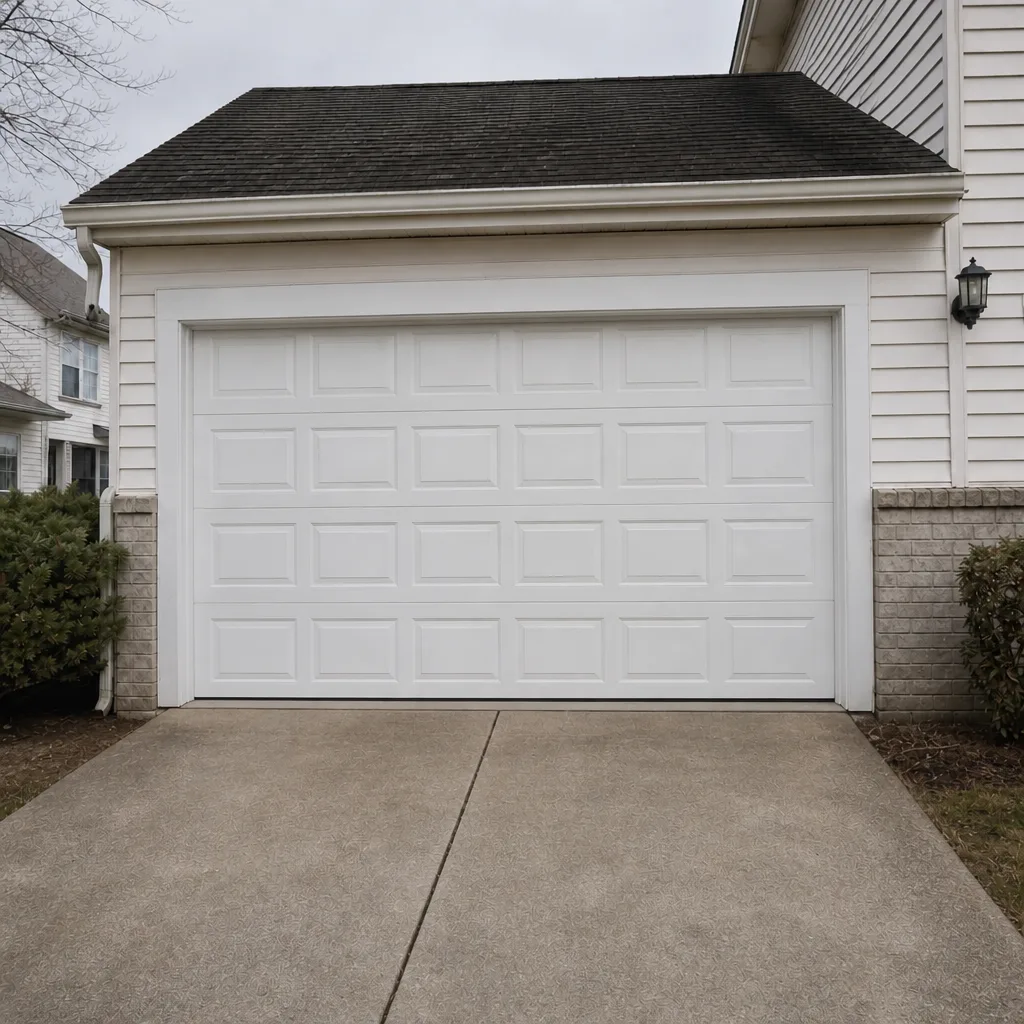 After
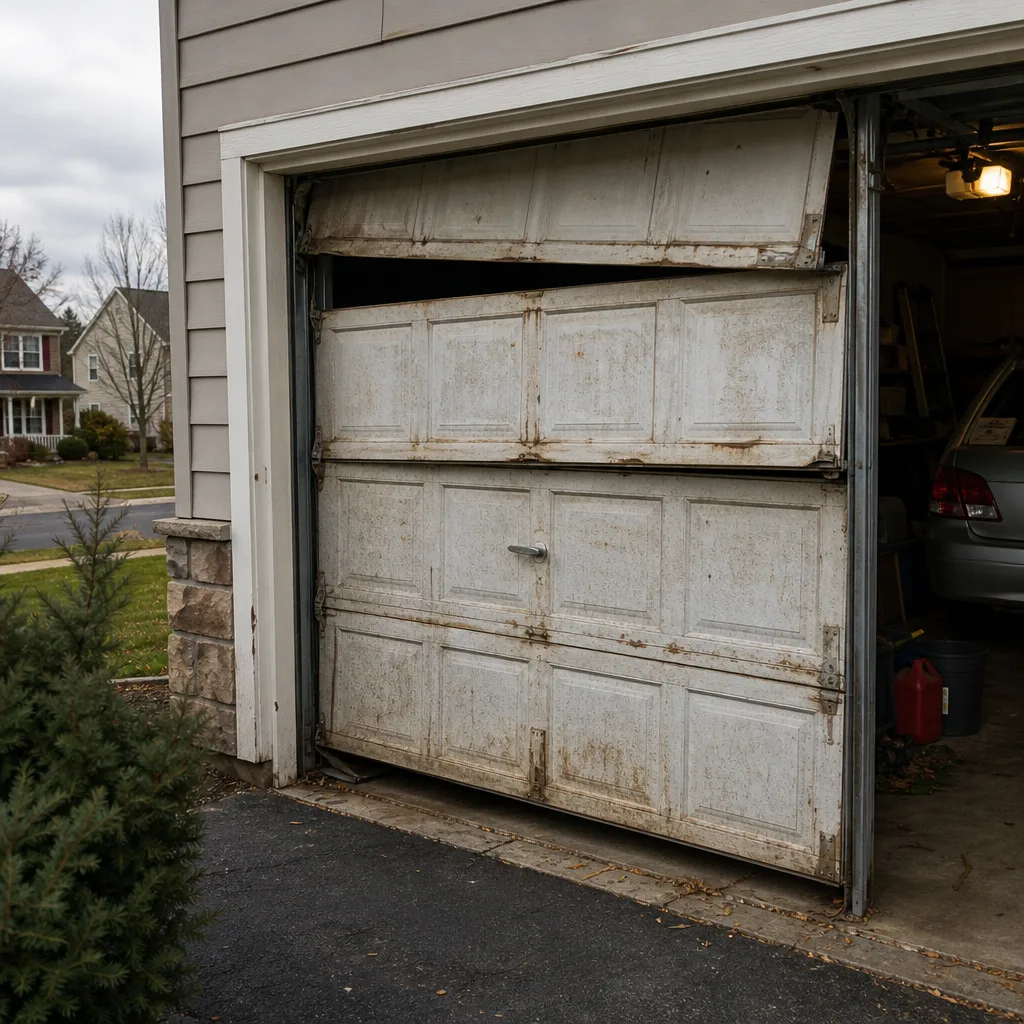 Before
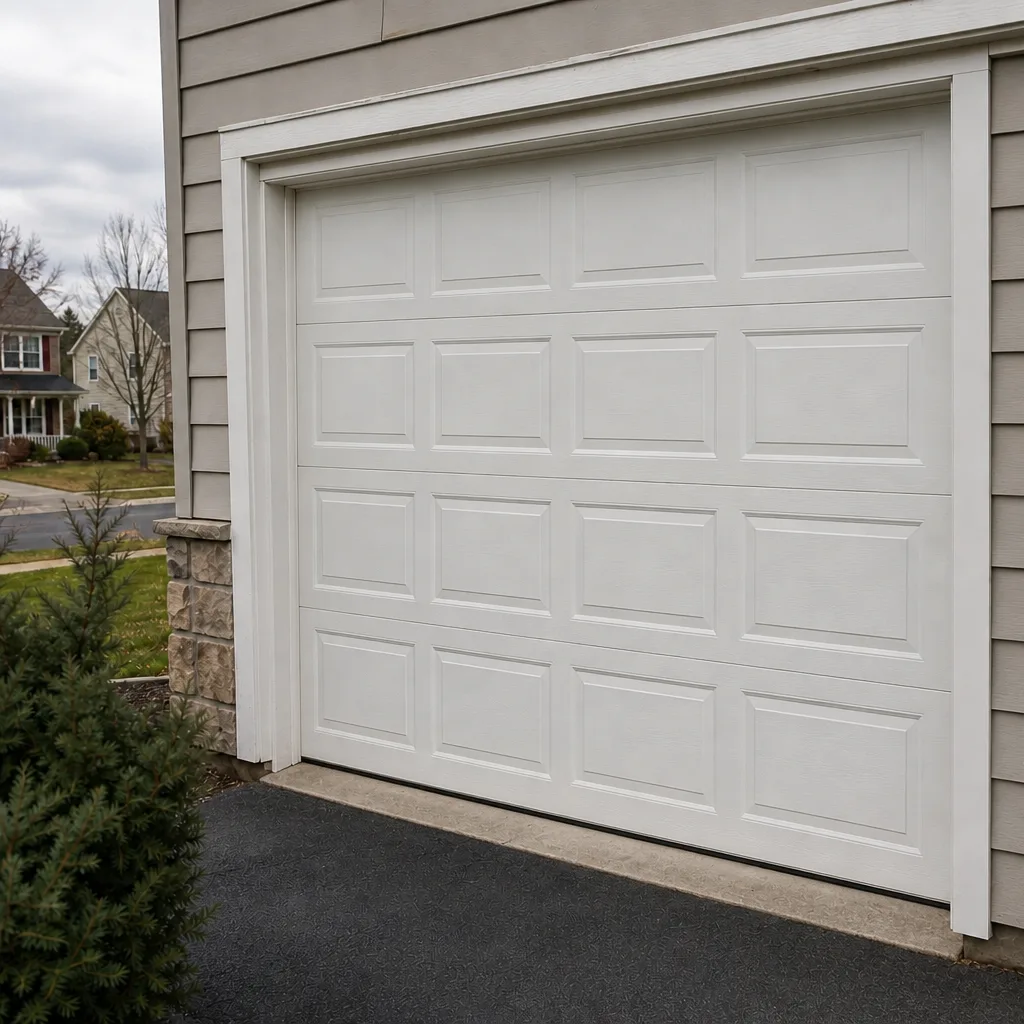 After
When to Call a Professional
Call when the spring has snapped and the door won’t open at all, when a door has come off its track or the cable has come loose, when the opener runs but the door doesn’t move, when a door has become visibly bowed or dragging, or when the auto-reverse safety test fails. Call when the door is the only way in or out of a garage and something has blocked or unsecured the house. Call when a car is trapped inside. Those are all urgent, and same-day or emergency appointments are available for them. For a new door, a replacement, or a planned upgrade, we’d much rather schedule a free on-site measure than rush a decision. Garage Door Repair South Riding offers free estimates in South Riding – call (877) 509-3053.
Frequently Asked Questions
A typical steel garage door in South Riding lasts 15 to 20 years, with the bottom section usually the first to fail because of rust driven by the freeze-thaw cycle. Insulated doors tend to hold up slightly better because the rigid construction resists warping. If your door was installed in the original build years, it’s likely in the replacement window. For a real answer, have it looked at before you assume either way.
Yes, in most South Riding communities the architectural review process applies to garage door replacements, and color, panel style, and window placement all need approval. Get the specification sheet from the door manufacturer before you order. If you’re not sure what your section requires, ask the HOA for the current covenants and approved color list.
In South Riding the bottom seal fails because the freeze-thaw cycle pulls it away from the retainer and cracks the rubber. The fix is a heavier-duty seal and a tighter retainer, not repeated like-for-like replacements. If the steel under it is already rusting through, the seal is a symptom of a bigger door problem.
A broken spring is a repair, not a replacement, unless the door is already past its lifespan. Our garage door spring repair handles torsion and extension springs on any major brand. Because springs hold enormous stored energy, this is a job for a technician with the right tooling – please don’t attempt it yourself.
A low-clearance opener fits a bay with limited ceiling height, sometimes by mounting on the wall as a jackshaft; a high-lift opener pulls further into a taller ceiling and is the wrong choice for a low bay. A South Riding townhome with a stacked garage often needs the former. Getting this wrong means the door won’t clear the header.
In almost all cases, yes. We work on the brand you already have, including LiftMaster, Chamberlain, Genie, Clopay, Amarr, Wayne Dalton, Craftsman, and Raynor, so a repair doesn’t have to become a replacement just because the original installer used a specific brand. Call (877) 509-3053 with the model if you have it and we can tell you what to expect.
The Bottom Line
South Riding’s garage doors are being asked to do a lot: hold up against humid summers and icy winters, fit tight HOA covenants, clear low townhome bays, and carry a house that’s now 15 to 25 years old. The good news is that most problems are repairable, and the ones that aren’t are usually obvious once you know the timeline. Check the bottom seal, watch for rust at the bottom panel, test your opener’s safety reverse, and get the HOA spec sheet before you buy a new door. For spring repair, opener work, or a full replacement, our technicians have up to 13 years of experience with the major brands. One call covers it all. Call (877) 509-3053 for a free estimate.
For the full range of what we handle, see our Garage Door Repair South Riding page and our garage door repair service. If you need a safety inspection before a winter, we can arrange that too.
Written by the team at Garage Door Repair South Riding.