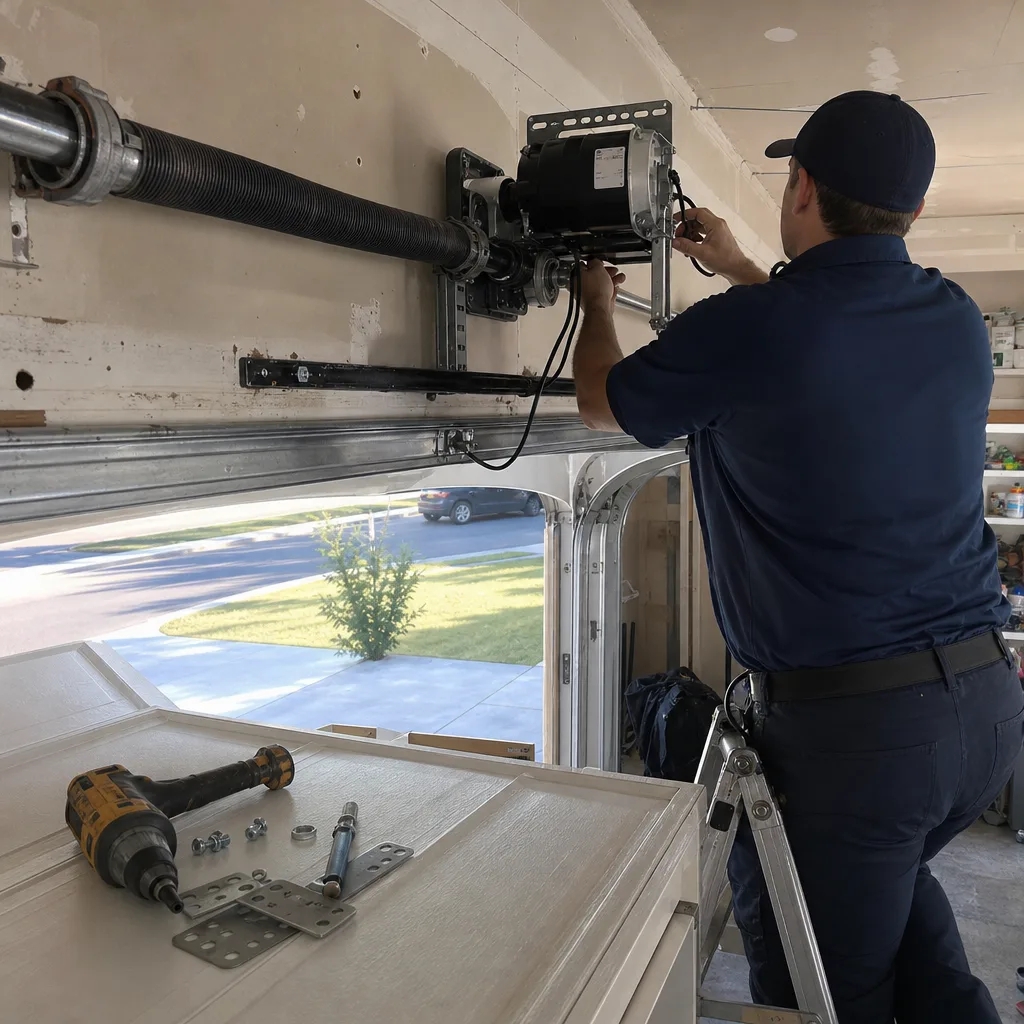
Last updated November 23, 2026
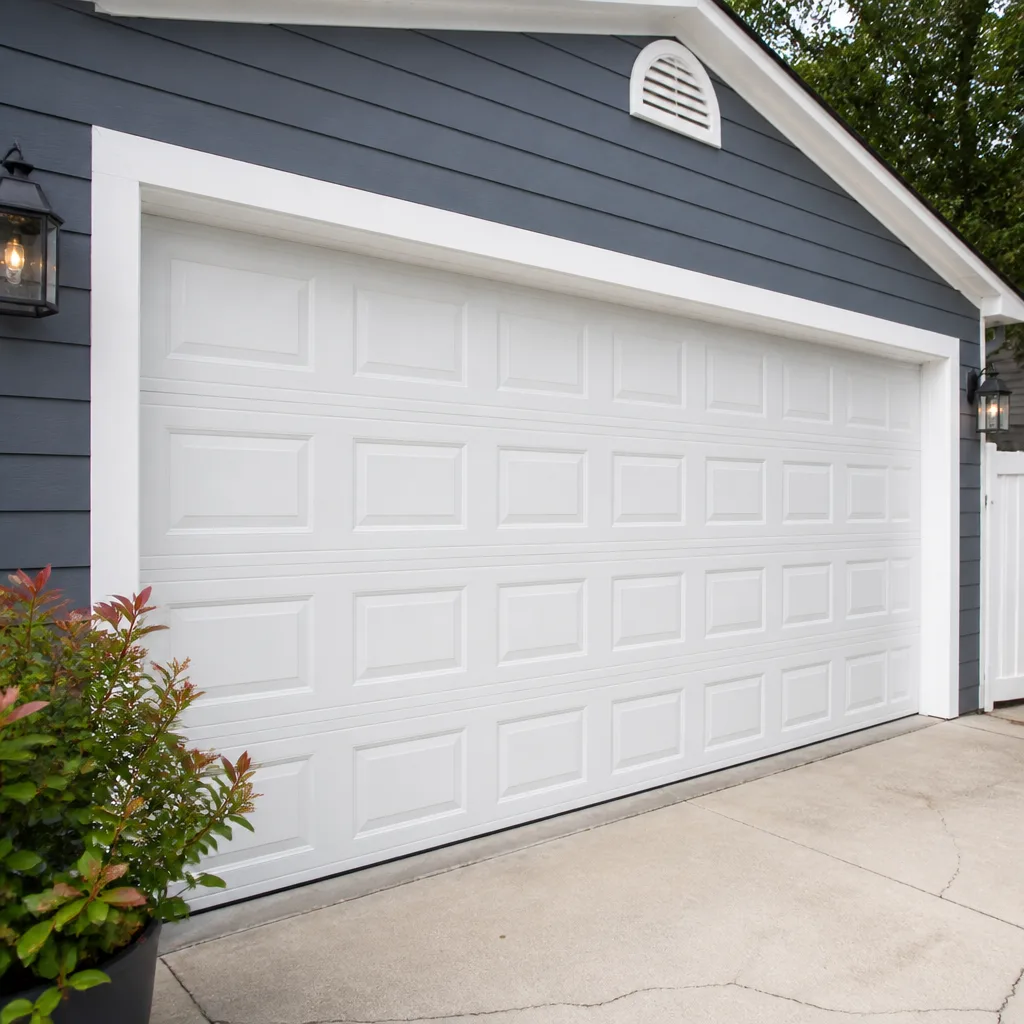 Raised-panel steel
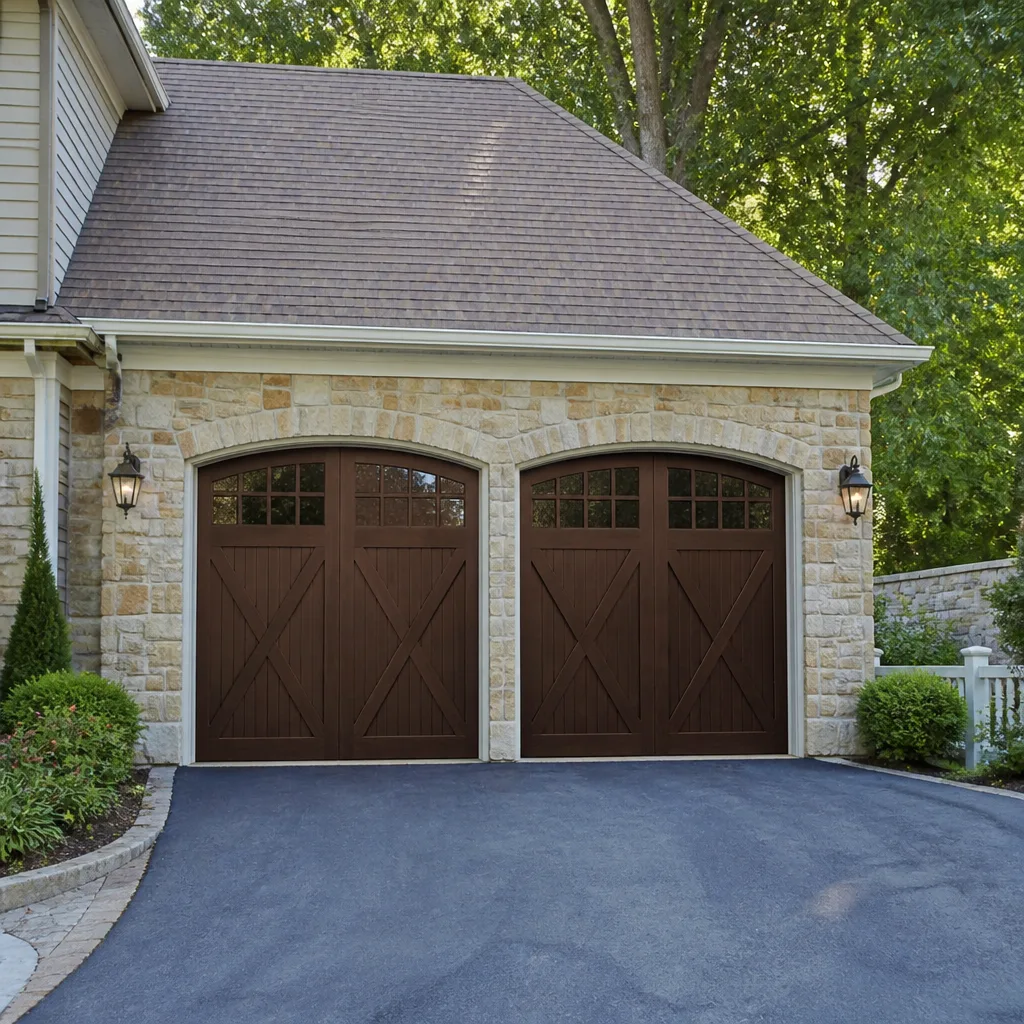 Carriage house
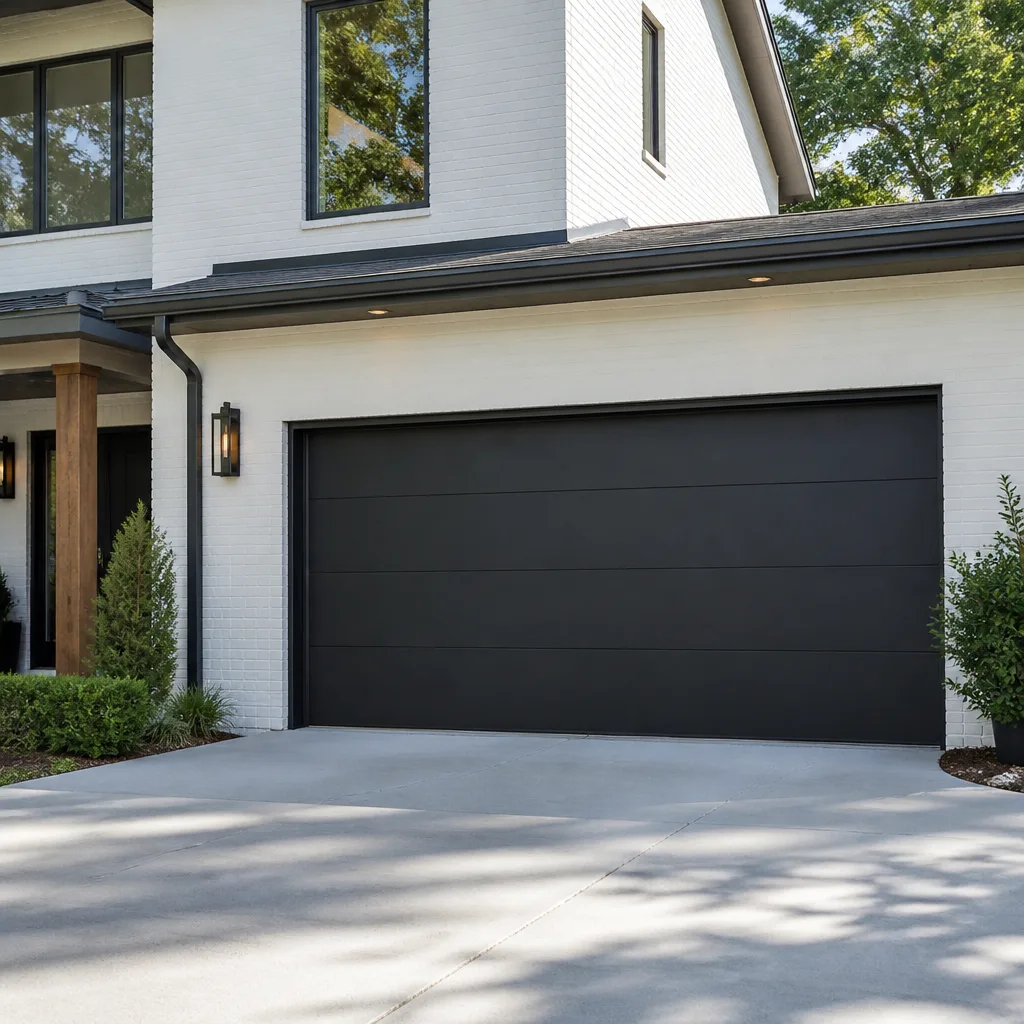 Modern flush
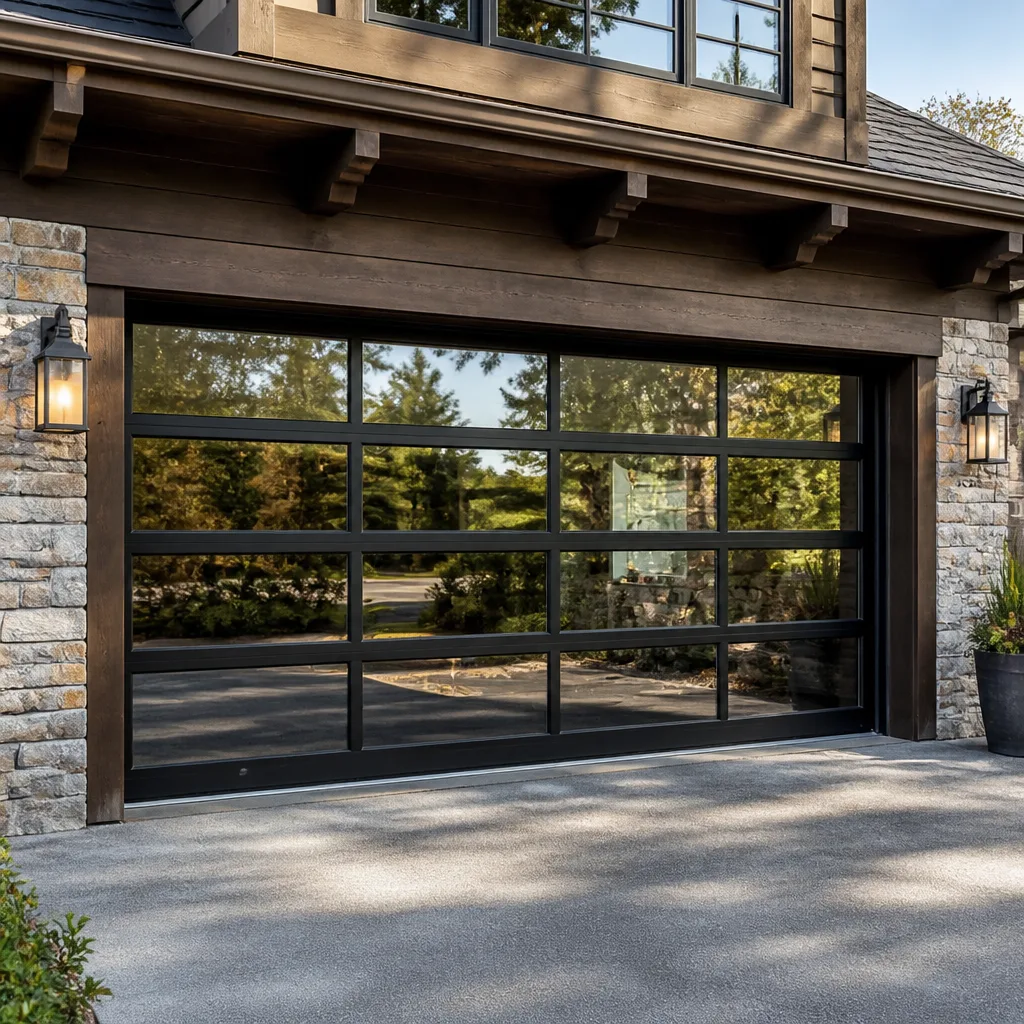 Full-view glass
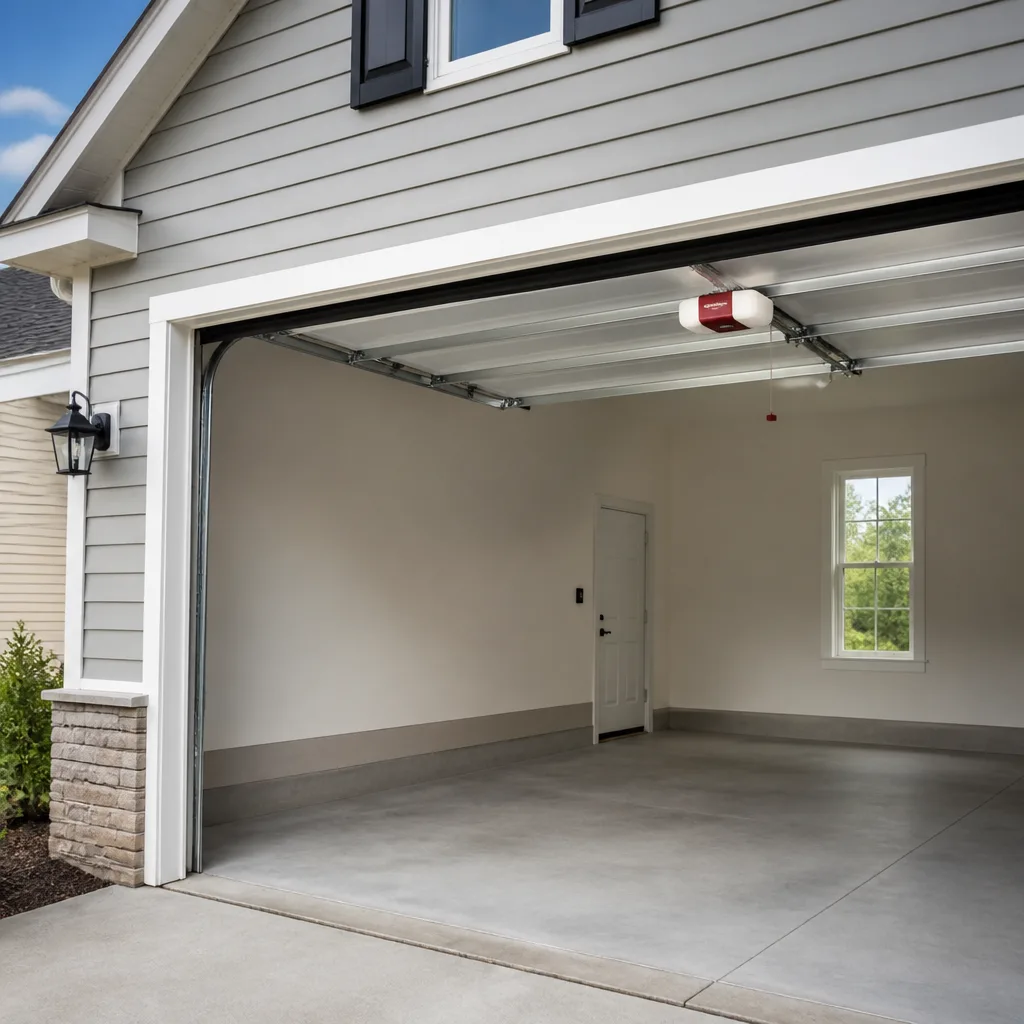 LiftMaster openers
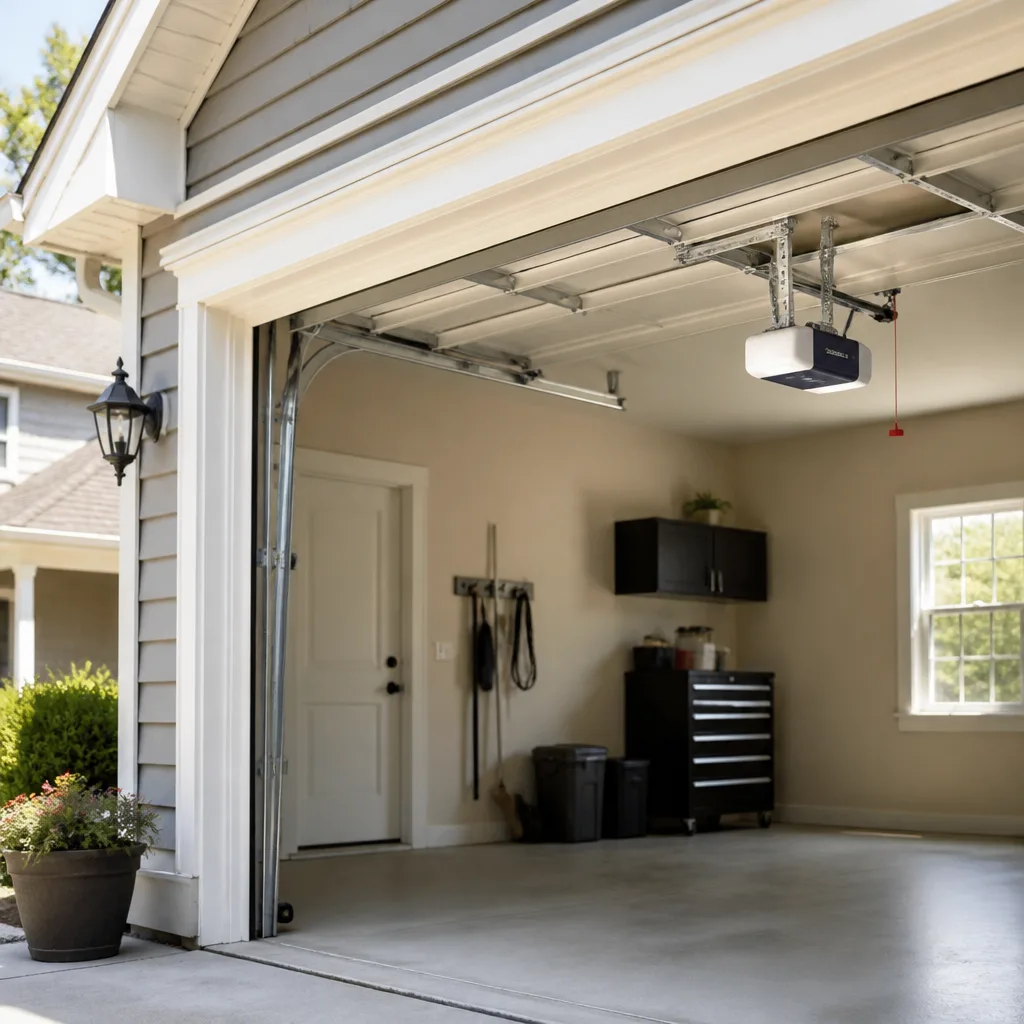 Chamberlain openers
Full 25-point door and opener safety check with every visit - springs, cables, rollers, tracks, and your LiftMaster or Chamberlain opener included
You get a price before we start. It does not change when the pro arrives.
Get your free estimateSeasonal Garage Door Care for South Riding: Year-Round Homeowner’s Guide
A garage door that runs perfectly in July can feel like a different machine by January. That’s not your imagination, and it’s not a sign the door is failing. The grease on your torsion spring is thicker at 18°F than it was at 95°F, the steel has contracted, and the tension that felt balanced in summer now has your opener working harder for every inch of travel. Most homeowners in South Riding treat garage door care as a one-and-done task: install it, forget it, call someone when it breaks. That approach costs money here because this climate doesn’t hold steady. It swings from humid summer heat to hard winter freezes, and a door tuned for one season fights the other three. This guide walks through what each season actually demands from your door, why fall matters more than any other window, and which maintenance job South Riding homeowners skip that causes the most damage.
Quick Answer
Seasonal garage door care in South Riding means one focused check per season: a spring and cable inspection in spring after the freeze-thaw cycle, seal and lubrication work in summer when heat and humidity peak, a full winter prep in fall before the first freeze, and a mid-winter look at opener force and threshold seals. Fall is the most important window – the maintenance you do in September and October is what keeps you off the phone with an emergency repair call in January.
Styles & brands we work with
- Raised-panel steel
- Carriage house
- Modern flush
- Full-view glass
- LiftMaster openers
- Chamberlain openers
Table of Contents
- Why Seasonal Care Matters More in South Riding
- Spring: Checking Cables and Springs After Freeze-Thaw
- Summer: Heat, Humidity, and Your Opener Motor
- Fall: The Maintenance Window That Prevents Winter Emergencies
- Winter: Freeze Protection and Ice Storm Rules
- The Bottom Seal: The Task Most Homeowners Skip
- A Simple Four-Season Calendar for South Riding
- When Seasonal Care Isn’t Enough
Why Seasonal Care Matters More in South Riding
South Riding sits in a climate band that delivers real extremes on both ends. Summers push into the mid-90s with heavy humidity. Winters drop below 20°F for sustained stretches. The garage door is the one part of your house that cycles through every one of those swings multiple times a day, and it does it with hundreds of pounds of stored tension in the springs and a motor working to move the whole assembly.
That’s the crux of it. A torsion spring doesn’t care about the weather, but the metal it’s made of does. Cold contracts steel, which changes spring tension and increases the load your opener has to overcome. Heat expands it and dries out the rubber seals that keep moisture and pests out. Humidity makes older wood doors swell in their frames. Each season stresses the door differently, and maintenance that’s right for one season leaves a gap in another.
Compare this to a milder market where the door sees 60°F to 85°F all year. There, a single annual tune-up covers most of it. In South Riding, that same tune-up only tells you the door was healthy on the day you did it. The seasons will move the goalposts within months.
What Actually Changes With the Seasons
- Spring tension shifts with temperature – a door that balanced in summer may feel heavy in January.
- Rubber seals dry out and lose flexibility in UV-heavy summer sun, then crack in winter cold.
- Wood door panels on older South Riding homes swell in summer humidity and shrink in winter, changing how the door seats against the frame.
- Opener force settings that were right in mild weather become marginal when the door gets heavier in the cold.
- Metal components contract and expand through freeze-thaw cycles, working fasteners, cables, and spring coils loose over time.
None of that is cause for alarm. It just means the door needs a check each season, and it needs to be the right check. If you’d rather have a technician look at the full system once a year, a garage door repair visit can cover the mechanical inspection and catch anything the seasons have loosened.
Spring: Checking Cables and Springs After Freeze-Thaw
Spring is the season when you’re inspecting for damage the winter already did. Every freeze-thaw cycle has been working on the metal in your door’s lifting system since November, and by March the effects are visible if you know where to look. South Riding usually gets its last hard freeze in late March, so April is the right window for this inspection.
What to Look For
You can check some of this yourself with your eyes. Anything involving the springs or cables themselves needs a technician, and we’ll explain why in a moment.
- Look at the springs above the door. A healthy torsion spring is uniform in color. Rust is a warning sign, not a certainty of failure, but it means the coating has broken down and the coil is exposed to moisture. If you see orange speckling across the coils, get them looked at.
- Check the cables that run down each side of the door. They should be taut and free of kinks, fraying, or visible slack. Cables that look loose or have begun to unwind need a technician – they’re under high tension even when the door is closed.
- Open and close the door slowly by hand (only if you can do it safely and the door isn’t too heavy). Listen for grinding, popping, or uneven movement. A door that jerks or binds is telling you something is off in the track or the lift system.
- Inspect the track for small dents, debris, or misaligned sections. Winter temperature swings can shift track brackets enough to affect alignment.
- Run a balance check. Lift the door halfway by hand and let go gently. A balanced door should hold its position. One that drops or rises on its own is out of balance and needs service.
The Safety Part
Torsion springs and the cables attached to them are under extreme tension at all times. If a spring is failing or a cable has slipped, that energy has to go somewhere, and it can release in a fraction of a second. Never attempt to adjust, loosen, or remove a torsion spring or the cables attached to it. There’s no safe home fix for a spring problem. Dedicated garage door spring repair requires specific winding tools and training, and it’s one of the most dangerous repairs in home service. Our technicians have up to 13 years of experience with this, and it’s the repair we take the most seriously.
Summer: Heat, Humidity, and Your Opener Motor
Summer is hard on the parts of your garage door that aren’t metal. The UV load in July is intense – a south-facing garage door takes sunlight directly for hours each day – and rubber weather seals that get baked all summer will dry, crack, and stop sealing by fall. Older South Riding homes with wood doors have an additional problem: humidity. Real wood swells in summer, and a door that fit its frame in March can bind by August.
The Summer Checklist
- Inspect the bottom seal and the seals along the sides and top. If the rubber feels brittle, looks cracked, or has separated from its retainer, it’s done. Replacing it now saves you a much bigger problem in winter.
- Lubricate moving parts. Hinges, rollers, and the track benefit from a garage-door-specific lithium grease. The exception: do not lubricate the spring itself in a way that attracts dirt – dust sticking to grease on the coils can accelerate wear.
- Check the opener motor’s environment. Garage doors that face a hot, humid garage ask the opener motor to work in higher ambient temperatures. If your opener housing feels hot to the touch after a cycle, that’s normal, but if it’s cutting out mid-cycle or reversing without obstruction, it needs a look. Chamberlain myQ and LiftMaster units are common in South Riding, and both can be diagnosed if you know the model.
- Watch for wood swelling. If your door drags or scrapes at the bottom or sides through the summer, humidity is likely making the panels swell. A technician can adjust the track or the hinges to accommodate the swing without letting the door bind.
- Check ventilation. A hot, sealed garage stays hotter than the outdoor air. If the garage has a vent or a small fan point, keeping it open through July takes load off the opener motor.
Why Opener Settings Matter in Summer
Opener force and travel limits are set to move the door as it sits today. In summer, a swollen wood door is heavier, and an opener already set near its force limit will strain. Most modern openers from Genie, LiftMaster, and Chamberlain have adjustable force settings that a technician can reset. Getting that dialed in during summer means the opener has headroom to handle the extra load that winter cold will add later.
Fall: The Maintenance Window That Prevents Winter Emergencies
Fall is the single most important season for garage door maintenance in South Riding. What happens between late September and the first hard freeze decides whether your door gets through the winter intact or fails in January. The reason is simple: the adjustments you make in fall are based on how the door will behave in cold. If you skip them, the door finds out the hard way.
Fall Prep Steps
- Inspect the threshold seal. This is the seal along the floor of the garage, and it’s the first thing to check before the ground freezes. Look for gaps, worn spots, and any place where daylight shows through when the door is closed. A gap here lets cold air and moisture under the door, and if water gets into the threshold and freezes, it lifts the concrete and the door’s seal surface along with it.
- Check and replace the bottom seal if it’s seen better days. See the dedicated section below – this is the task most homeowners skip.
- Adjust opener force before the cold arrives. As the door gets heavier in winter, the opener has to work harder. If the force setting was right in summer, it may become marginal in January. Bumping it up slightly in October, based on the door’s actual behavior, gives the opener the capacity it needs.
- Test the safety reverse. Both the photo-eye sensors and the contact reverse (a piece of wood under the door) should be working correctly. Safety systems that work in fall are the ones you can trust in winter.
- Look for rust on springs again. The fall inspection should catch any rust that developed over summer. If there’s speckling or the protective coating is failing, get it evaluated before the coldest weather makes the metal more brittle.
- Clean the track. Debris and dried grass collect in the track over summer. Clearing it now prevents the track from binding through winter.
Why Skipping Fall Causes Winter Emergencies
In our experience, the emergency calls that come in through January are mostly the result of problems that were already there in October. A bottom seal that was starting to crack in September becomes a full gap in January. Opener force that was set a little low in fall strains through the winter and finally fails. Cables that were loose enough to be an issue are the ones that snap. Fall maintenance is cheap and easy; winter repair is neither. If you’re not comfortable checking these points yourself, an garage door opener repair visit in October can verify the opener settings and confirm the system is set up for winter.
Winter: Freeze Protection and Ice Storm Rules
Winter in South Riding is a mix of moderate days and hard cold stretches, and the problem with that pattern is freeze-thaw. Water gets under and around the door on a thaw day, then freezes overnight. That’s what damages thresholds, cracks seals, and stresses the metal components inside the door system.
What to Do in Winter
- Do not use the garage door during an ice storm. This one matters. If the door has ice built up along the bottom seal, along the track, or in the threshold, operating it can force the door against frozen material and either bend a panel, damage the seal, or strain the opener. Wait for the ice to clear and the door to move freely, or manually free the ice from the bottom seal and the track with warm water (not hot water on cold glass or metal) before opening.
- Watch for freeze-thaw on the threshold. After any snow or ice event, check the bottom of the door once temperatures drop again. Water that pooled during the melt can freeze under the door and jam it against the floor.
- Keep the opener force setting visible in your mind. If the door starts reversing halfway up in cold weather, it’s often the safety system detecting extra resistance. This is usually a sign the door is heavier than it was when the setting was last adjusted, and the force limit needs a technician’s touch.
- Clear snow away from the door’s path. Snow that drifts against the bottom of the door adds weight to the entire assembly on every cycle. A quick shovel pass costs nothing.
- Listen for the opener working harder. A grinding or slower motor sound in cold weather is the motor pushing against extra load. That’s not a reason to ignore it – it’s the reason to have it checked.
A Note on Ice Storm Rules for Renters and Homeowners Alike
Ice storms in South Riding happen perhaps a handful of times each winter. The instinct to open the door and just check what’s happening outside is understandable. But the mechanism doesn’t care about intent. A frozen bottom seal can grip the door hard enough to force a panel out of alignment. When in doubt, use the person door and leave the overhead door closed until you’re sure it moves cleanly.
The Bottom Seal: The Task Most Homeowners Skip
The bottom seal – also called the threshold seal or bottom weatherstripping – is the rubber strip that runs along the bottom edge of your door and seals it against the floor. It’s the least glamorous part of your garage door and the one that quietly does the most work. South Riding homeowners skip bottom seal replacement more often than any other maintenance task, and it’s the one that causes the most collateral damage.
What a Bad Bottom Seal Costs You
- Moisture intrusion. Every rainstorm pushes water toward the garage floor. A compromised bottom seal lets it under, where it soaks into the concrete, warps wood trim, and rusts anything in contact with the floor.
- Pest entry. Mice and insects find the smallest gap under a garage door. A bottom seal that’s dried out or torn is a welcome sign. Once mice get into a garage, they’re difficult to remove.
- Drafts and energy loss. If your garage is attached to the house, an unsealed bottom edge lets cold air into the garage and into the wall between the house and the garage. That shows up on your heating bill through winter.
- Door damage. A loose or torn bottom seal can snag on the track or the threshold as the door moves, pulling the seal retainer out of alignment and sometimes damaging the bottom panel.
- Ice damage to the threshold. A gap lets water under the door in winter. When it freezes, it expands and can lift the concrete threshold, which is a much bigger job than a seal replacement.
How to Tell It’s Time
- Check for daylight. Close the door and look at the bottom edge from inside the garage. Daylight showing through is a gap that shouldn’t be there.
- Run your hand along the bottom. The rubber should feel flexible and continuous. Cracks, brittleness, or missing chunks mean it’s done.
- Look for water on the garage floor after rain, especially near the door.
- Check for evidence of pests along the bottom edge – droppings, small tracks in any dust or debris on the floor.
Replacement Is Simple
This is one of the maintenance tasks that’s genuinely worth doing regularly. Bottom seal replacement is straightforward for a technician, and doing it in fall – before the freeze – is the right timing. If the seal is already worn in September, it won’t survive winter. Replacing it also gives you a chance to look at the threshold itself, since a compromised seal sometimes goes along with a worn or uneven floor surface that’s been doing its own part to let moisture in.
A Simple Four-Season Calendar for South Riding
If you want the short version, here’s what seasonal garage door care looks like written out as a schedule:
Spring (April, after last freeze)
- Inspect springs for rust or visible wear
- Check cables for slack, kinks, or fraying (watch only – a technician handles the adjustment)
- Run a balance test with the door halfway up
- Clear debris from the tracks
Summer (July)
- Inspect all rubber seals for dryness or cracking
- Lubricate hinges and rollers
- Watch for wood door swelling or dragging
- Verify opener motor isn’t cutting out mid-cycle
- Open the garage vent or run a fan when the garage gets hot
Fall (September-October, before first freeze)
- Inspect the threshold seal for gaps and wear
- Replace the bottom seal if it’s showing any signs of damage
- Adjust opener force to prepare for winter weight
- Test safety reverse on both photo-eye and contact systems
- Look for spring rust that accumulated over summer
- Clean the tracks and clear any summer debris
Winter (December-February)
- Do not operate the door in an ice storm until it’s clear
- Check the threshold for freeze-thaw damage after storms
- Keep snow away from the path of the door
- Listen for the opener running harder than usual in cold weather
Most of what’s on this list is inspection, not repair. The repairs – spring work, cable adjustment, opener force calibration – are the tasks a technician handles. But the inspections are the ones that catch a problem while it’s still small.
Common Mistakes to Avoid
- Skipping the fall maintenance window. Fall is the one time of year when the correct adjustments are the most valuable, because they prepare the door for the season that’s hardest on it. Skipping it is the number one reason winter emergency calls happen in January.
- Ignoring the bottom seal until it fails. It’s the cheapest part of your door to replace and the most expensive to ignore. A worn seal goes from a $100 replacement job to a moisture-damaged threshold and warped trim before most homeowners notice.
- Lubricating the torsion spring itself. The spring doesn’t need grease, and grease on a spring attracts debris that can accelerate wear. The parts to lubricate are the hinges, rollers, and track.
- Trying to adjust opener force by guessing. Opener force limits interact with the door’s actual weight and with the safety reverse system. Adjusting them wrong either makes the opener fail to move the door, or worse, defeats the safety reverse. Set them based on how the door actually behaves, with a technician’s eye.
- Using the garage door during an ice storm. Ice builds up along the bottom seal and the track, and forcing the door to operate against ice damages panels, seals, and the opener. Wait for the ice to clear.
- Assuming summer lubrication is enough. Summer lubrication helps moving parts, but the seasonal task in summer is really UV protection for the seals and a check of the opener motor’s heat exposure. Lubrication alone doesn’t cover that.
- Treating the door system as maintenance-free. Spring tension changes with temperature, seals wear, and tracks shift. A door that’s never inspected isn’t a door that doesn’t need inspection – it’s a door you’ll hear about suddenly, usually at the worst time.
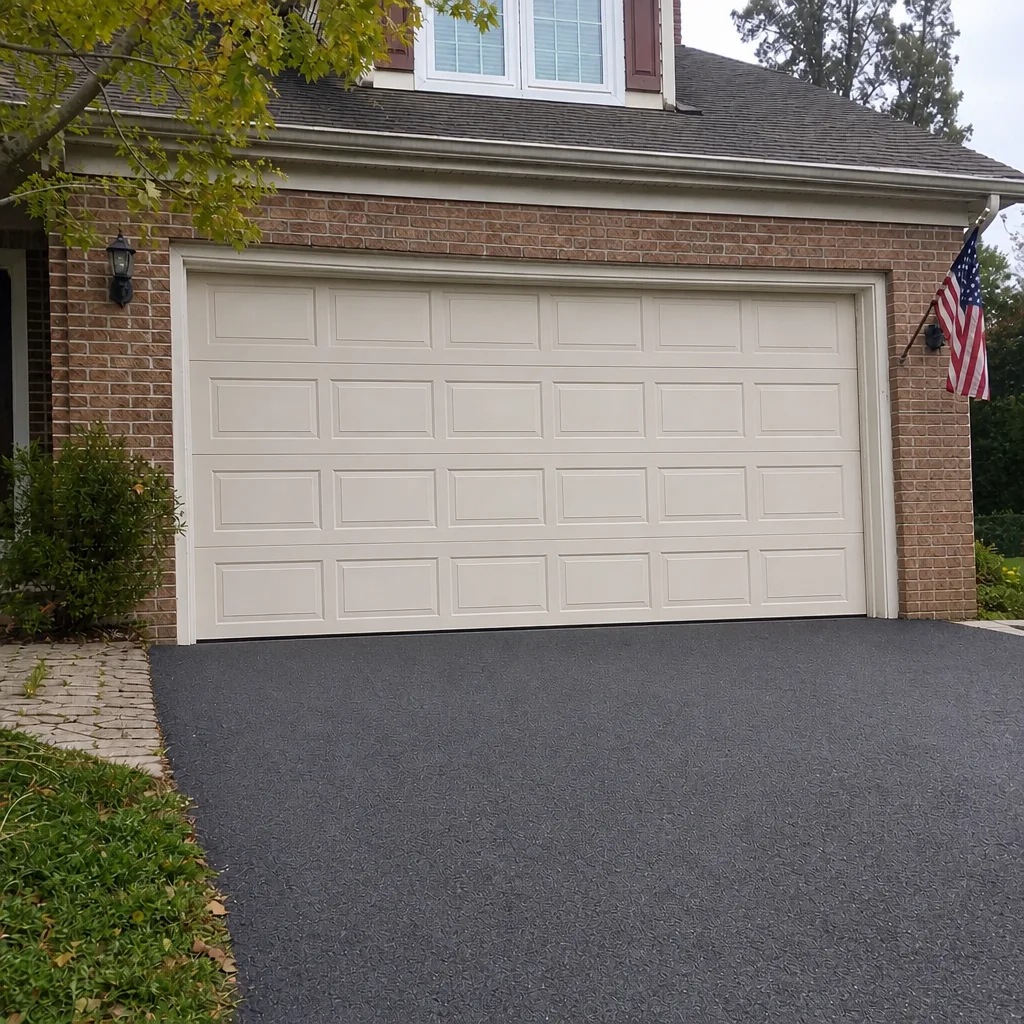
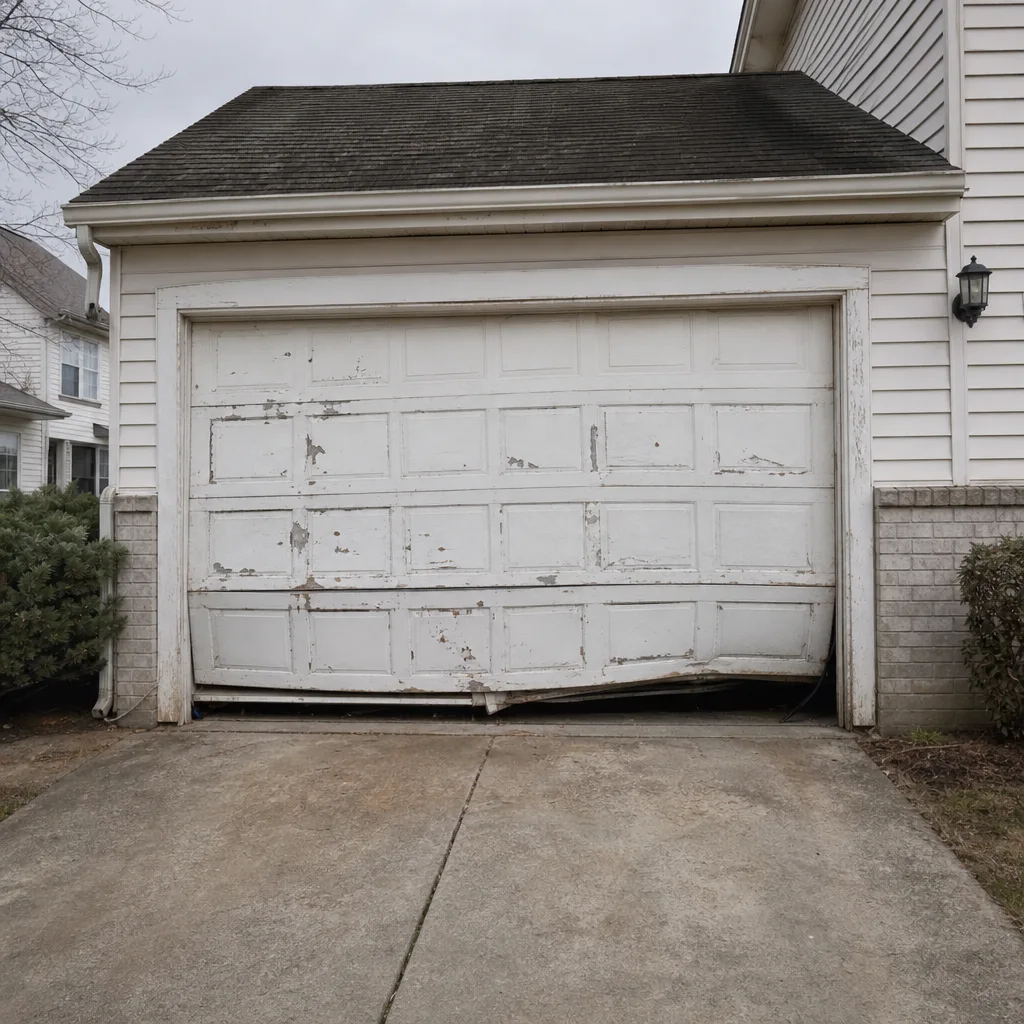
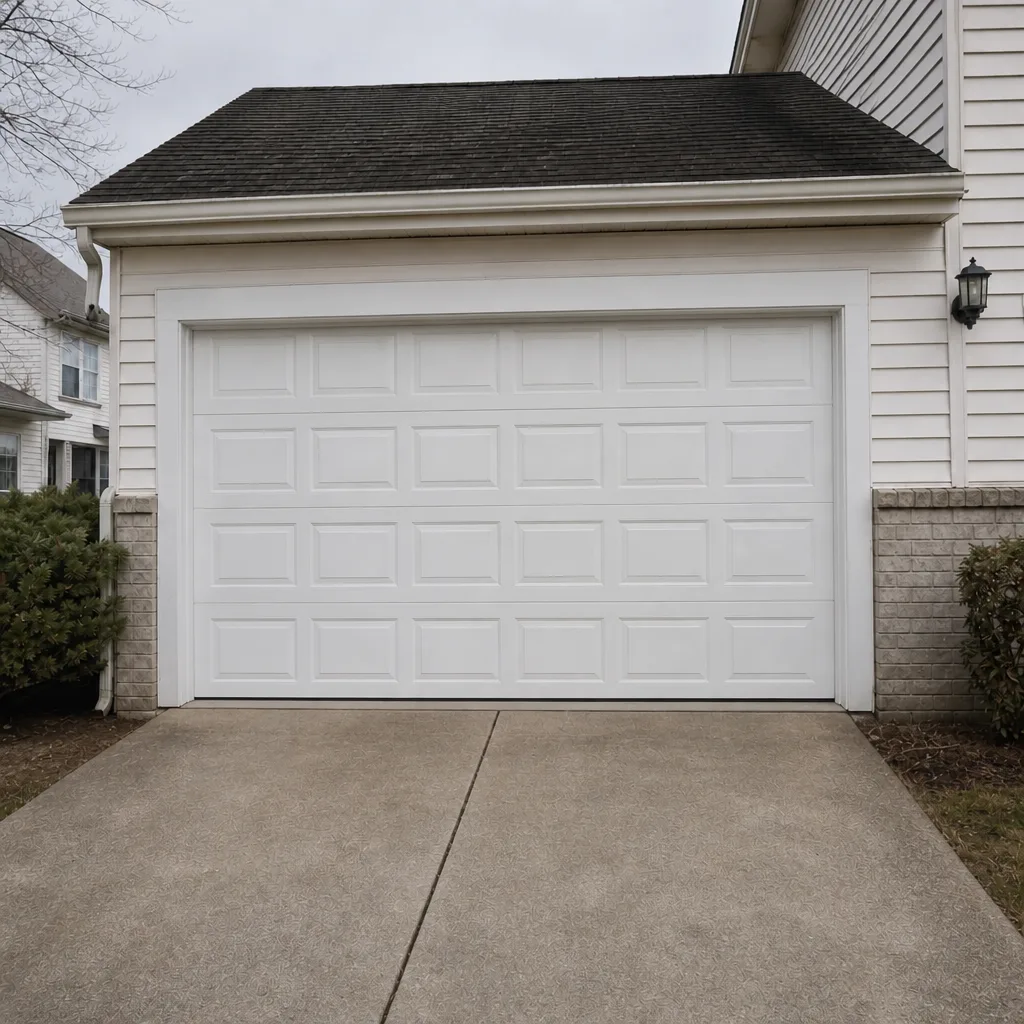
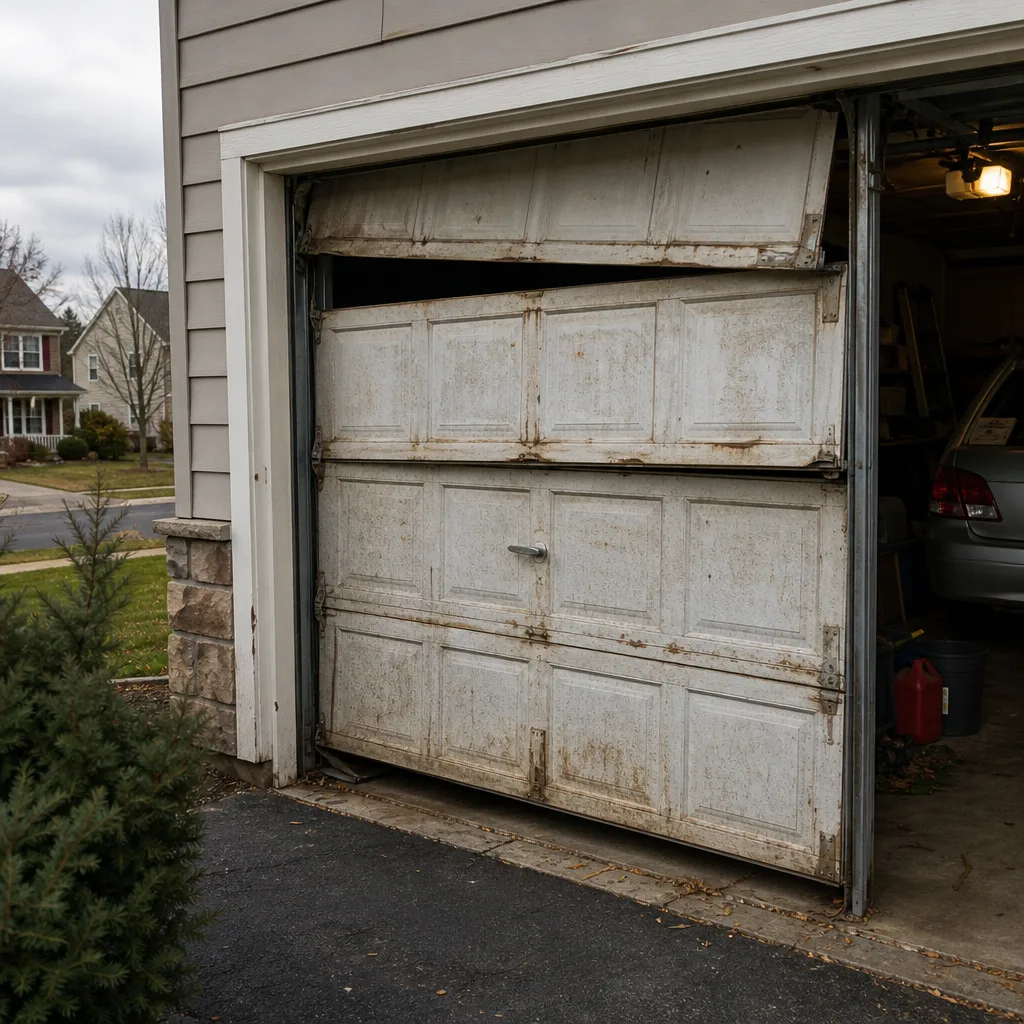
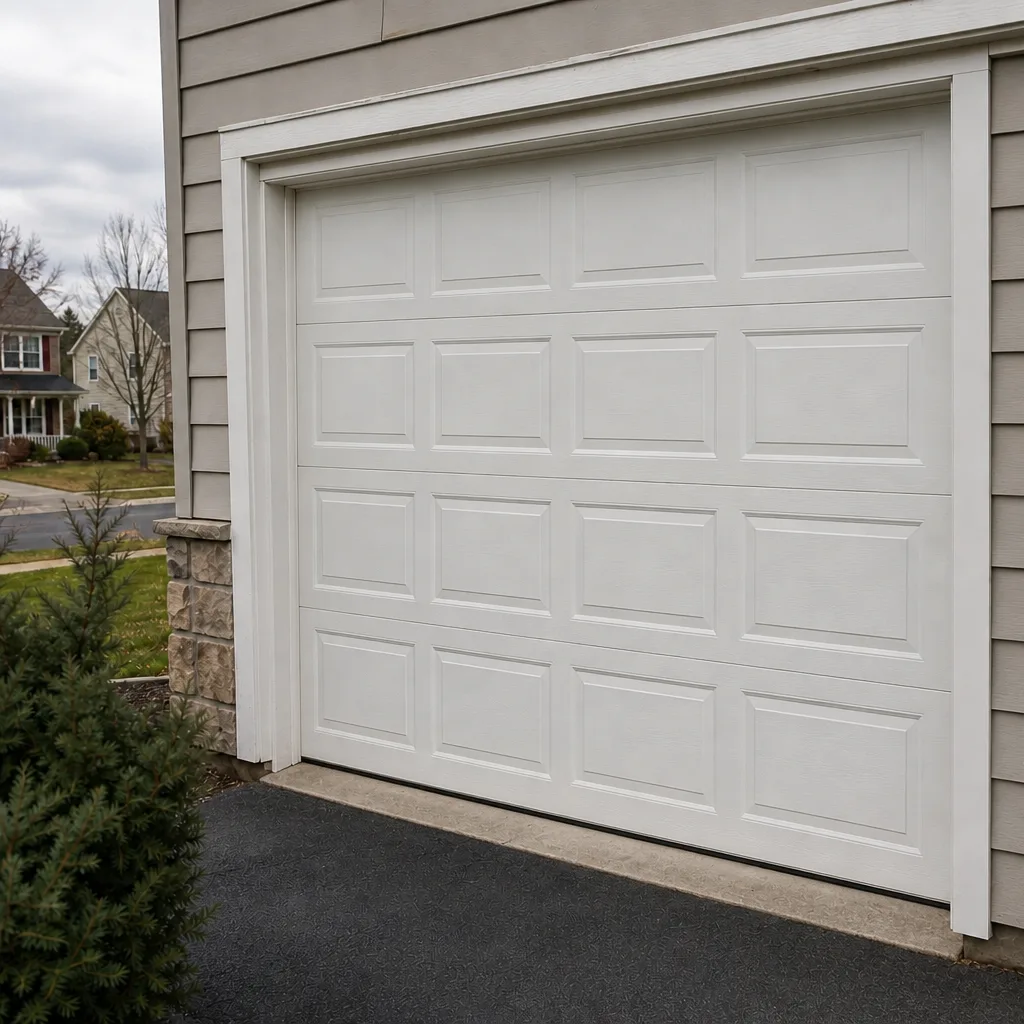
See the difference
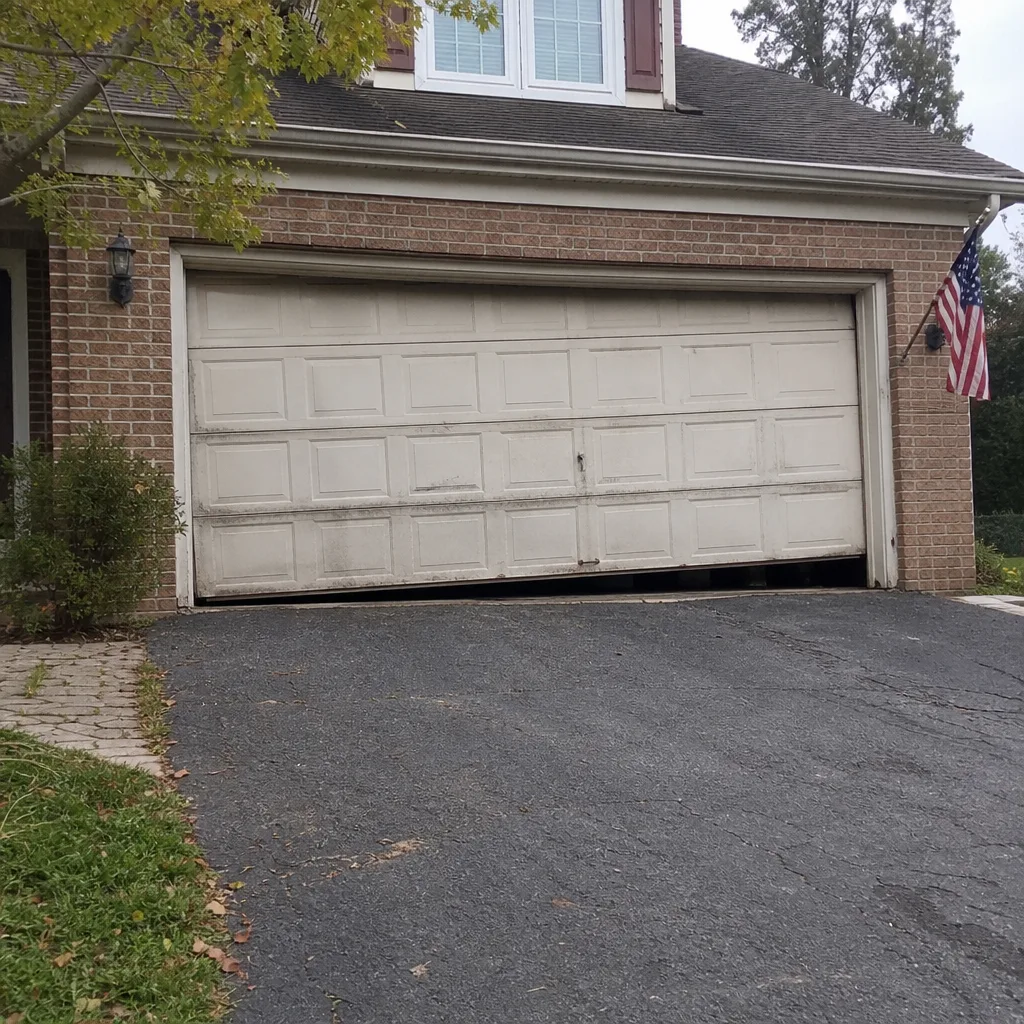 Before
 After
 Before
 After
 Before
 After
When to Call a Professional
Seasonal care is mostly inspection and adjustment. Repair is where a technician comes in. Call a professional if you notice any of the following:
- Any visible damage, rust, or unwinding on the torsion springs or cables. This is a safety matter, not a home repair.
- The door feels noticeably heavier than it did a few weeks ago.
- The opener reverses partially without an obstruction, or fails to open or close completely.
- A cable looks loose, frayed, or has slipped off a drum.
- The door is off its track or a panel has visibly shifted.
- The opener motor is grinding, cutting out, or sounds strained in cold weather.
- A spring makes a loud snap at rest. That’s a broken spring – do not use the door.
Garage Door Repair South Riding offers free estimates in South Riding – call (877) 509-3053. Our technicians have up to 13 years of experience across the major brands, including Genie, Clopay, Amarr, and Wayne Dalton. We can diagnose what the seasons have done to your door and give you a straight answer on what actually needs repair, without the guesswork.
Frequently Asked Questions
Once per season for inspection, with a professional service visit at least once a year. The inspection tasks – checking seals, running a balance test, watching for rust – are things you can do yourself through the season. The professional visit is for the parts you can’t safely touch: spring tension, cable adjustment, and opener force settings. In this climate, the fall visit matters most because that’s the one that prepares the door for winter. If you’re only doing one professional visit per year, make it the fall one.
Cold metal contracts, which increases the tension on the torsion springs and makes the door physically heavier to lift. It’s a normal property of the steel. The door isn’t broken, but the opener has to work harder to move it. If your opener was set close to its force limit, the extra winter weight can push it over the edge and cause the door to reverse or fail to open. This is exactly why adjusting the force setting in fall – before the cold arrives – is one of the highest-value seasonal tasks.
Fall prep, without question. The maintenance you do between late September and the first freeze determines how the door behaves through winter. It includes the bottom seal inspection, the opener force adjustment, the spring rust check, and the safety reverse test. Most of what goes wrong in January was already going wrong in October. A simple fall checklist catches those problems while they’re small and before the cold makes them worse.
You can, but we don’t recommend it as a first move. The force setting interacts with the safety reverse system, and getting one without the other can leave the door either unopenable or unsafe. Those two systems are the ones that protect against injury and property damage. If the door is reversing or struggling, the right move is to have a technician look at it – they can check the actual door weight, evaluate the springs, and set the force correctly. If you do adjust it, do it based on the door’s actual behavior and test the safety reverse immediately afterward.
No. Ice buildup along the bottom seal, the track, or the threshold will fight the door on every cycle. Forcing the door against frozen material can bend panels, tear seals, or strain the opener. The best move during an ice storm is to leave the overhead door closed and use the person door. Once the ice has cleared and the door moves freely by hand (with the opener de-engaged), it’s safe to use. If the bottom seal has been damaged by ice, have it checked and replaced before the next freeze.
In common usage, they’re the same thing – the rubber strip along the bottom of the door that meets the floor. Some homeowners say “threshold” because the concrete the door lands on is the threshold. If you hear either term, it means the seal that keeps water, cold air, and pests out of the garage. It’s the most commonly skipped maintenance item, and replacing it in fall is one of the simplest things you can do to keep the door healthy through winter. If you’re not sure whether yours needs replacement, an opener repair or repair visit is a good chance to have a technician check it in person.
The Bottom Line
Seasonal garage door care in South Riding isn’t complicated, but it has to actually happen. The four tasks that matter most: check the springs and cables after the freeze-thaw cycle in spring, protect the seals and monitor the opener through summer heat, do the full fall prep before the first freeze, and stay off the door during ice storms. Fall is the window that prevents winter emergencies, and the bottom seal is the task most often skipped. If you keep up with the inspections and call a technician for the spring, cable, and opener adjustment work, you’ll get through the year without a surprise repair. We’re happy to help at any point in the season. Our technicians have up to 13 years of experience, and we work on the brands you already own, including LiftMaster and Chamberlain systems. If the door is doing something you’re not sure about, it’s worth having it looked at – a garage door repair service can tell you quickly whether it’s a routine adjustment or a repair that shouldn’t wait. Call or reach out for a garage door spring repair inspection if you’ve seen rust or heard any unusual noises. If the electronics are suspect, an garage door opener repair check can confirm settings before winter makes the problem worse.
Contact
Ready to get ahead of the seasons? Call (877) 509-3053 for a free estimate. We’ll look at what your door needs right now, tell you what to prioritize for the season ahead, and give you a written price before any work starts. Same-day and emergency appointments are available for urgent repairs – broken springs, doors off-track, opener failure, or a door that won’t secure your home. Visit the home page for a full view of what we do: Garage Door Repair South Riding. We answer the phone when it matters, and we don’t upsell work you don’t need.
Written by the team at Garage Door Repair South Riding.