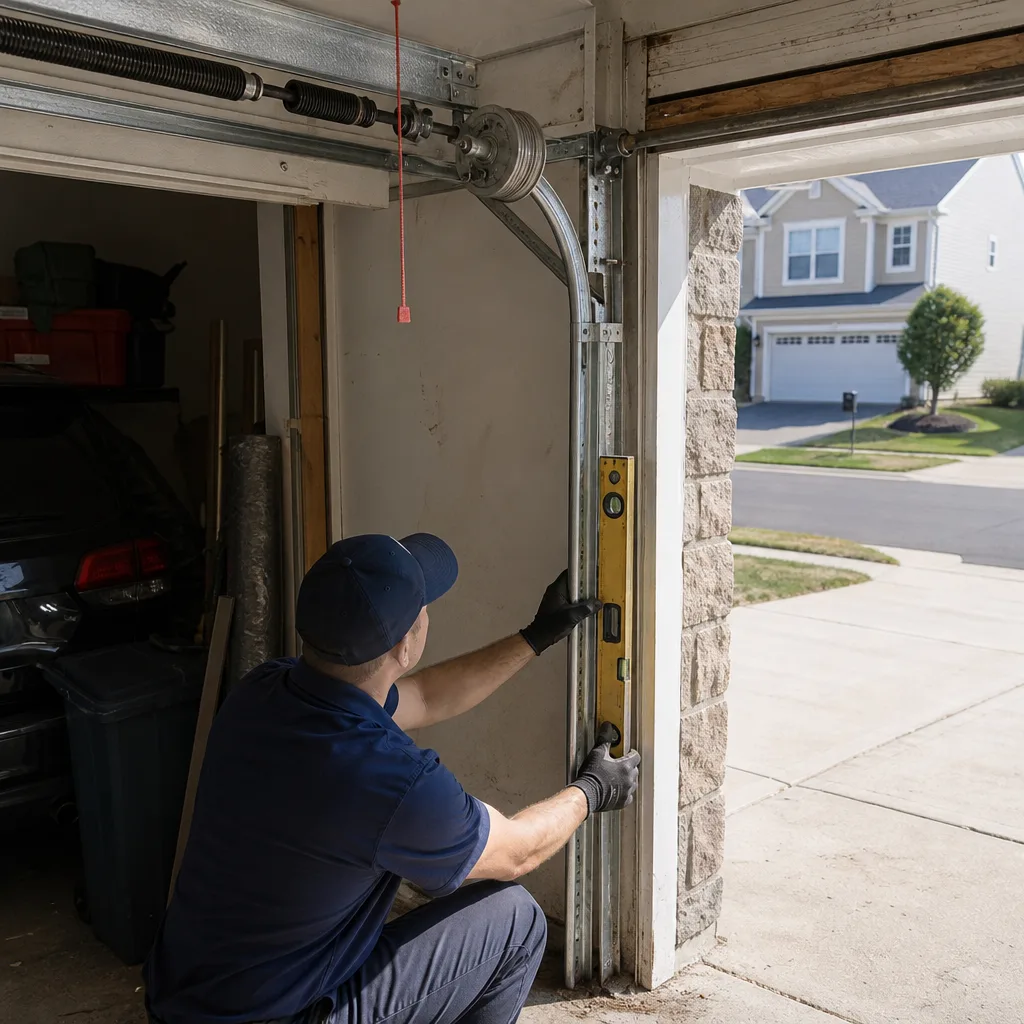
Last updated November 23, 2026
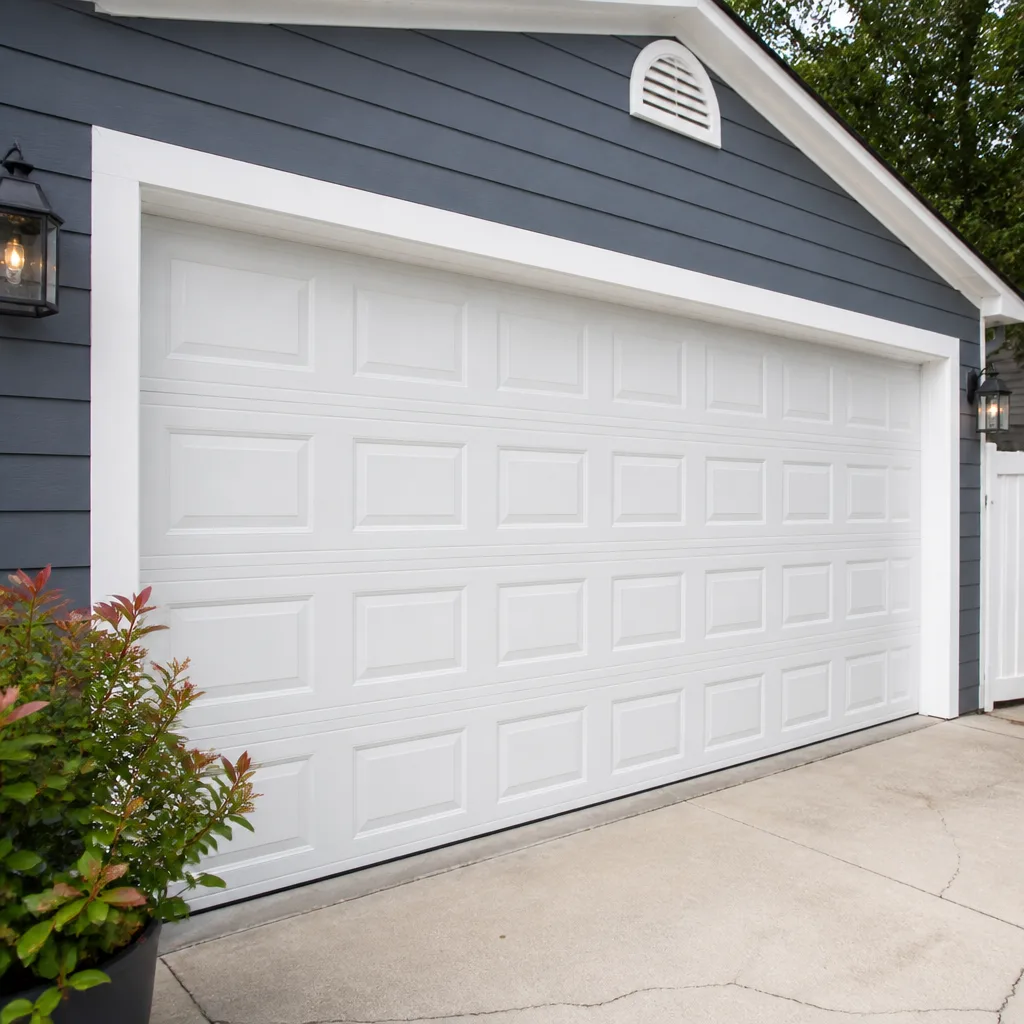 Raised-panel steel
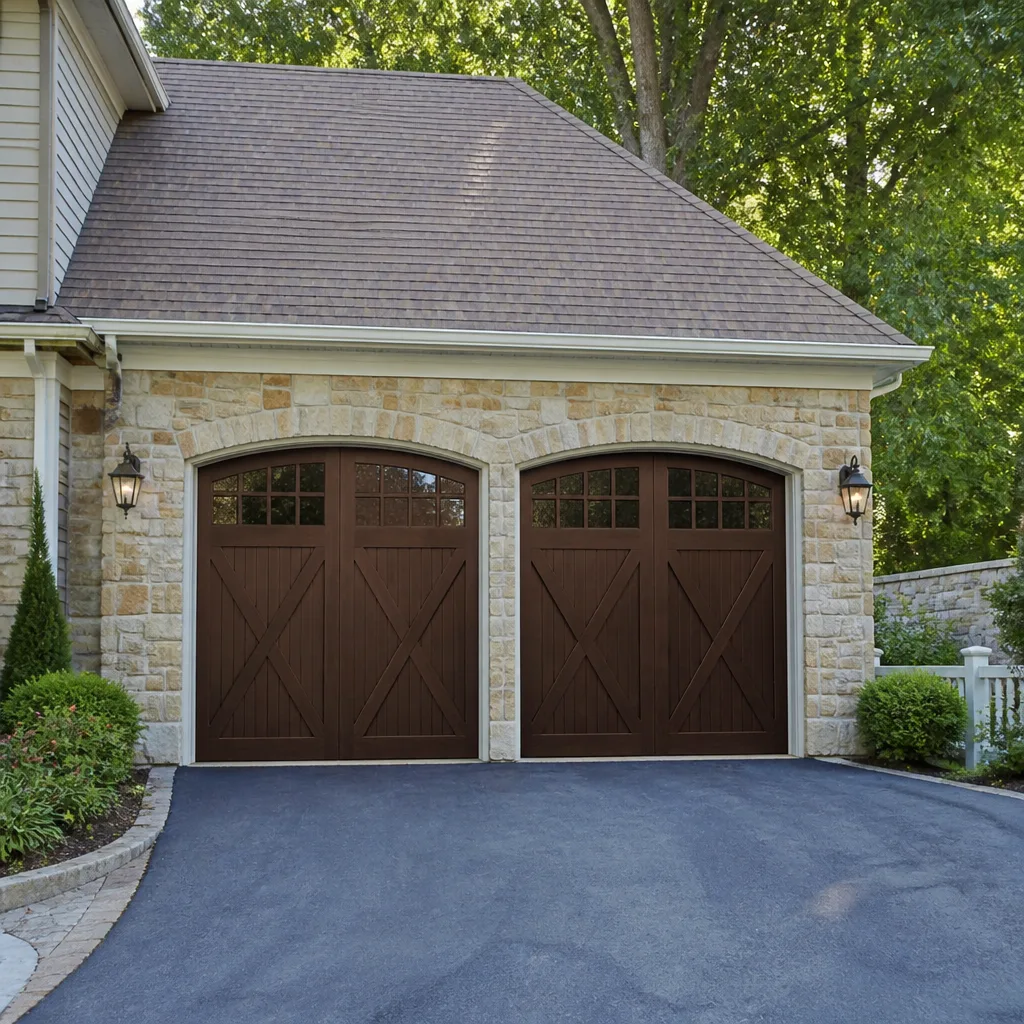 Carriage house
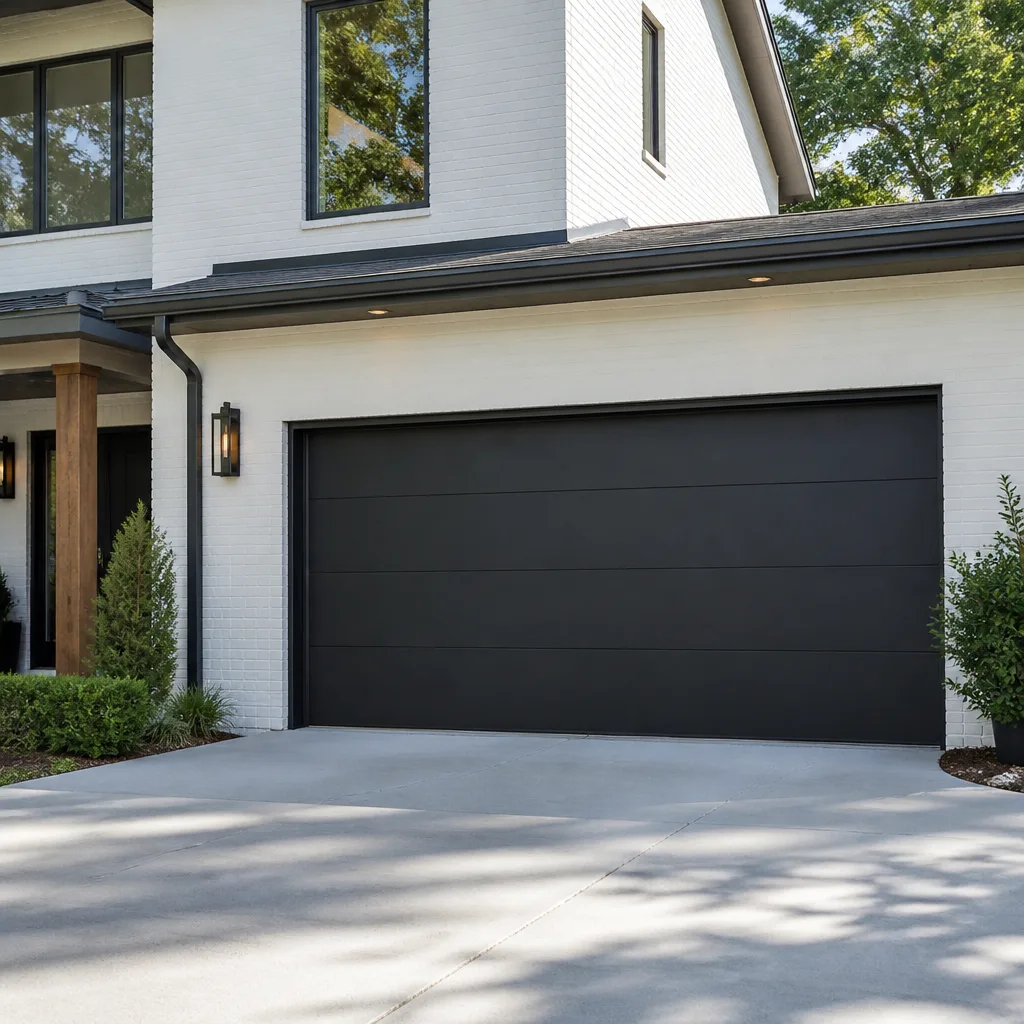 Modern flush
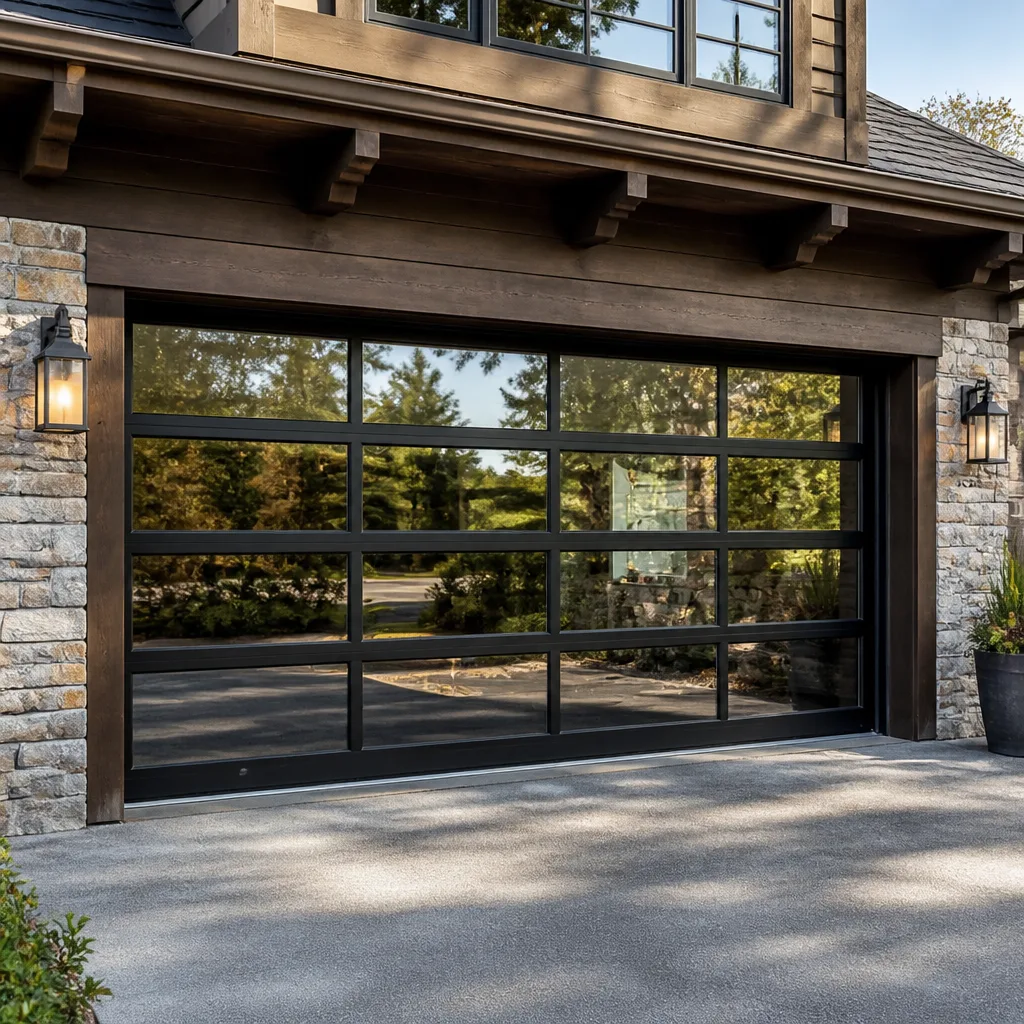 Full-view glass
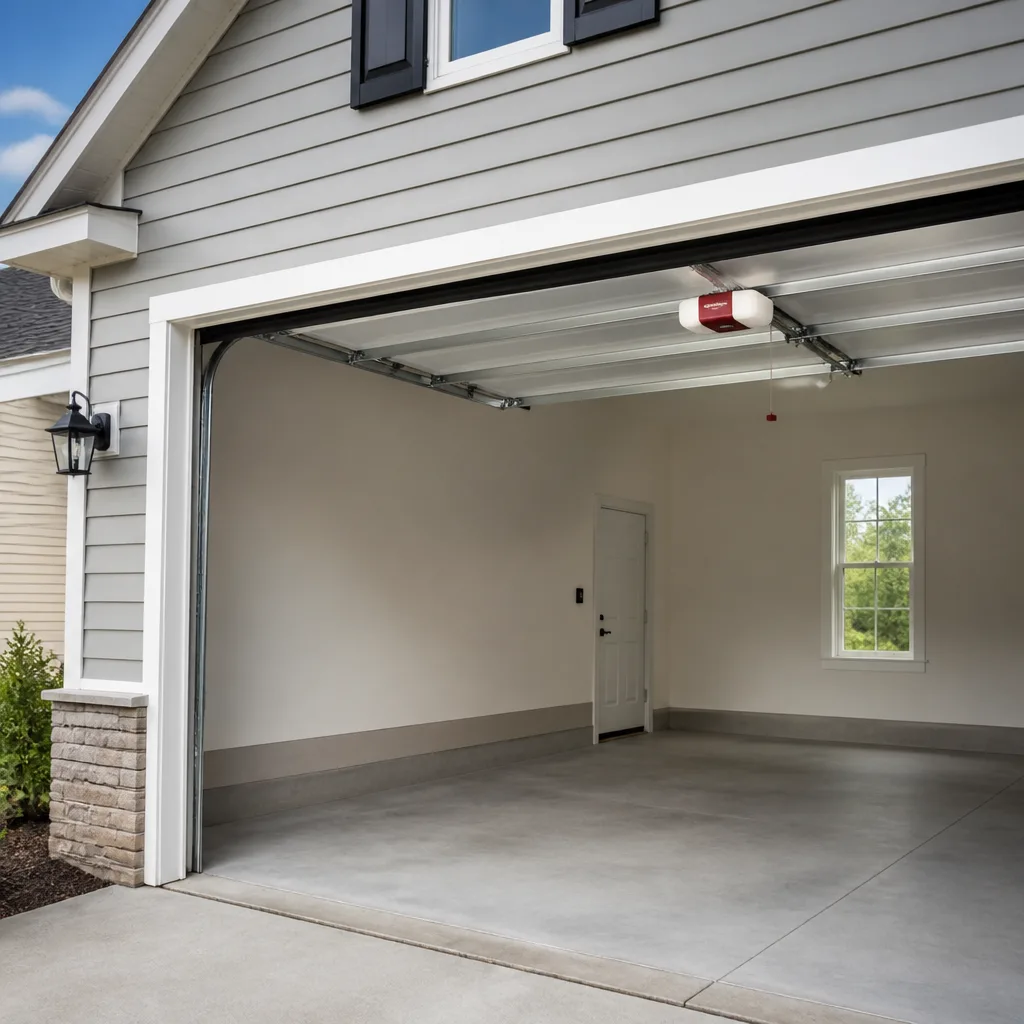 LiftMaster openers
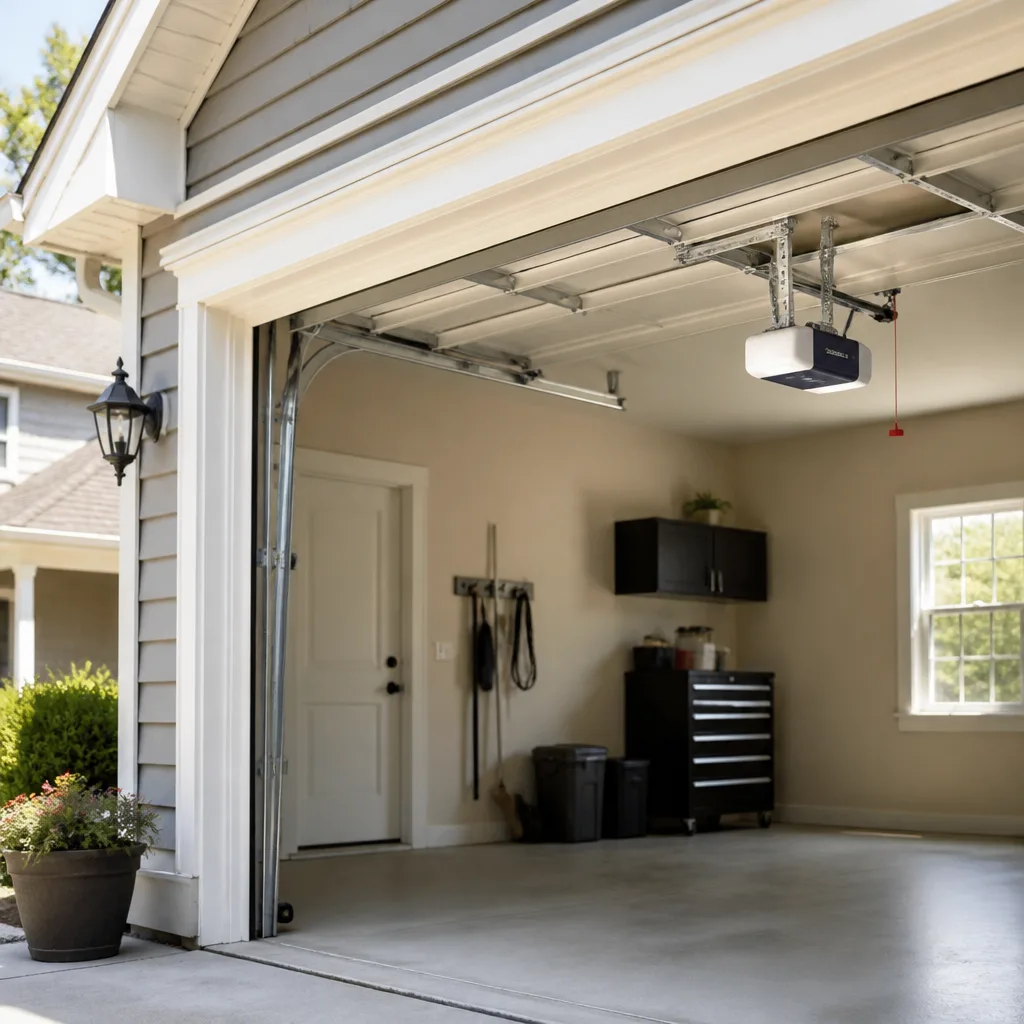 Chamberlain openers
Full 25-point door and opener safety check with every visit - springs, cables, rollers, tracks, and your LiftMaster or Chamberlain opener included
You get a price before we start. It does not change when the pro arrives.
Get your free estimateGarage Door Warning Signs: A South Riding Homeowner’s Reference Guide
A garage door that hesitates for half a second before it moves isn’t “just getting old.” That pause is one of the clearest early signs of spring fatigue, and in the torsion setups common on South Riding two-car garages, a hesitation like that usually shows up well before a spring actually lets go. Most failures we get called out for didn’t happen out of nowhere. The door had been telling the homeowner something for weeks. This guide teaches you to read those signals: the sounds, the speed changes, the ground-level visuals, and the two panel patterns that mean stop operating the door. You’ll finish knowing what’s cosmetic, what’s urgent, and what you should never touch yourself.
Quick Answer
The main garage door warning signs are a door that hesitates or moves unevenly, grinding or popping sounds during travel, a door that won’t stay level when you disengage the opener, frayed or kinked cables visible from the ground, and a bowed bottom panel or horizontal crease near the roller track. Any hesitation or uneven movement usually points to spring or cable strain and should be checked by a trained technician before the door is run again. Visual and sound clues you can safely gather from floor level help you describe the problem accurately when you call.
Styles & brands we work with
- Raised-panel steel
- Carriage house
- Modern flush
- Full-view glass
- LiftMaster openers
- Chamberlain openers
Table of Contents
- What Each Garage Door Sound Is Telling You
- Opener Strain vs. Door Strain: How to Tell Them Apart
- Ground-Level Visual Checks: Cables, Drums, and Hardware
- Two Panel Patterns That Mean Stop Using the Door
- The 60-Second Speed and Balance Test
- Why South Riding Doors Show These Signs
- Seasonal Shifts That Reveal Hidden Problems
- How Common Brands Age Differently
What Each Garage Door Sound Is Telling You
Sound is the cheapest diagnostic tool you own, and most homeowners misread it. A door that grinds doesn’t have the same problem as a door that pops, and treating them the same wastes money. Here’s how to translate the four sounds we hear most often on South Riding doors.
- Grinding usually means metal-on-metal contact: worn rollers, dry hinges, or a torsion tube that’s lost lubrication. It’s often the least urgent sound, but left alone it accelerates wear on the panels and track.
- Popping during travel points to a cable jumping a drum groove or a torsion spring slipping on its winding cone. This is a stop-and-call sound. A cable that pops off under tension can whip loose, and that’s dangerous.
- Squealing is typically a dry or failing bearing plate, or a roller seizing. It tends to build gradually, so homeowners get used to it. If it’s new in the last month, have it checked.
- Banging at the start or end of travel means the door is slamming into its limits, often because the springs aren’t holding the door’s weight anymore or the opener’s travel limits have drifted. Weight and balance problems belong to the spring system, not the motor.
The pattern matters as much as the sound. A grind that appears only when the door is halfway up suggests a specific track or roller section. A bang every single cycle suggests a limit or balance issue. Note when the noise happens, how loud it is, and whether it’s new or has been building. When you call for garage door repair, that description helps a technician arrive with the right parts and the right diagnostic plan, which saves you a second visit.
One thing worth saying plainly: never put your hands near the torsion tube, springs, or cables to “feel” where a sound is coming from. Springs hold enormous stored tension even when the door is closed. A trained technician can perform a sound diagnostic in a few minutes with the door under control. You can do the listening safely from the floor.
Opener Strain vs. Door Strain: How to Tell Them Apart
This is the distinction that saves South Riding homeowners the most money. A struggling door and a struggling opener look similar from the driver’s seat, but they’re different problems with different fixes, and guessing wrong means paying for an opener that wasn’t the issue.
The core principle: an opener is designed to lift a balanced door with light effort. If the door is out of balance, the opener works harder than it should, and it will eventually fail too. So when you see strain, the question is whether the motor is the cause or the victim.
- Disengage the opener. Pull the manual release handle (the red cord) with the door fully closed and the opener idle. This disconnects the motor from the door.
- Lift the door by hand to about waist height. A properly balanced door should rise with modest, even effort and stay put when you let go about halfway.
- Let go and watch. If the door sinks or rushes up on its own, the spring system is out of balance. That’s garage door spring repair, not an opener problem.
- Re-engage the opener and listen. If the door moves freely by hand but the motor still grinds, hums without moving, or reverses unpredictably, the opener itself needs attention.
Signs that point to the opener rather than the door: the motor hums but nothing moves (often a stripped gear or drive issue), the door reverses immediately for no visible reason (usually a sensor or limit setting), or the remote responds inconsistently while the wall button works fine. Signs that point to the door: the opener runs smoothly but the door labors, the door drifts down after opening, or you hear the struggle in the springs and cables rather than the motor housing.
We work across all major opener brands, including smart-home-compatible systems, so a technician can diagnose the electronics and the mechanical side in the same visit rather than sending you to a second vendor. One call covers it.
Ground-Level Visual Checks: Cables, Drums, and Hardware
You can learn a lot about a door’s health without a ladder or a tool. These are the checks that are safe from floor level. Do them with the door closed and the opener off.
- Cables: Look at both sides where the cable runs up the frame. A healthy cable is one continuous, taut strand. Fraying (little broken wires poking out), kinking, or slack that hangs loosely are all signs the cable is failing. Kinks are especially telling, because they usually mean the cable has jumped or is binding.
- Drums: The drum is the spool at the top corner where the cable winds. From the ground, look for a cable that’s cross-wound or sitting outside its groove. Visible groove wear, where the cable has cut into the drum, means the drum is worn and the cable may not track correctly.
- Rollers: Worn steel rollers develop flat spots; worn nylon rollers crack or chip. If you can see missing pieces or flat spots on the rollers closest to the floor, they’re due for replacement.
- Hinges and brackets: Look for rust, looseness, or cracks around the hinges. A hinge pulling away from the panel is a sign the panel or hinge is fatigued.
- Weather seal: A cracked or flattened bottom seal lets water and pests in and can make the door strain against the frame. It’s cheap to replace and easy to overlook.
Two rules for these checks. First, never stand under the door or in its path while looking. Second, never reach up to touch a cable or drum, even if it looks slack. A cable that lets go under tension is one of the most serious hazards on the whole door. If a ground-level look reveals any of the cable or drum signs above, keep the door closed and call for help.
If the visuals look clean but the door still acts up, the problem may be something else entirely. Our garage door opener repair team can trace electrical and drive faults that a visual check can’t reveal, while a spring specialist handles the mechanics. Both are part of what we do.
Two Panel Patterns That Mean Stop Using the Door
Panel damage falls into two categories: cosmetic and structural. Cosmetic damage, like a dent or a scratch, is about appearance. The two patterns below are different. Both mean the door has lost the rigidity it needs to travel safely, and the door should stay closed.
Pattern 1: The bowed bottom section. The bottom panel is the one that takes all the load and abuse. If it bows outward or inward at the center, the door is no longer flat, and that has knock-on effects for the whole system: the door can bind in the track, the opener strains to compensate, and the springs may be pulling unevenly. Bowing is often the visible result of an impact that also damaged the hinge or bracket above it. Even if the door still opens, a bowed bottom panel is a structural warning sign, not a cosmetic one.
Pattern 2: The horizontal crease near the roller track. Look at the panel where a roller bracket attaches. A horizontal crease running out from that bracket is a stress fracture. It usually starts at the screw line and spreads. A creased panel is a weakened panel, and the roller that attaches there can pull out, letting the door jump the track. This pattern shows up on older single-wall steel doors in South Riding more often than on newer insulated panels, and it’s the one homeowners most consistently miss because the door still functions.
If you see either pattern, stop operating the door and arrange a professional assessment. What happens next could range from replacing a panel to, in worst cases, recommending a new door, and the difference often depends on whether the surrounding panels and track are sound. We carry and install Clopay and Amarr doors among others, so if a partial or full replacement is the right call, one company can handle both the diagnosis and the install.
For the full breakdown of replacements, see our Garage Door Repair South Riding overview of the services we offer.
The 60-Second Speed and Balance Test
This test gives you a snapshot of spring health without tools. It’s the single most useful habit a South Riding homeowner can build into their routine, and it takes about a minute.
- Close the door and disengage the opener using the manual release.
- Watch the door for a few seconds. Does it sink a little on its own? That drift is a spring that can’t quite hold the load, often the first visible stage of fatigue.
- Lift the door smoothly by hand to halfway. Notice the effort. It should be steady and moderate, not one-sided and not a hard pull.
- Let go at halfway and watch. A balanced door holds its position. One that sinks or springs upward is out of balance.
- Re-engage the opener and watch it run once. Does it move at an even speed, or does it hesitate at one point? Does it stay level at the top, or is one side lower?
Note what you see, not what you think it means. Is the hesitation at the start, halfway up, or at the top? Does the door wobble left or right as it rises? Those notes give a technician far more to work with than “it’s acting funny.” Hesitation at the start often points to torsion spring fatigue; uneven tracking up one side points to a roller, track, or cable issue. A door that’s level one day and not the next is a bigger red flag than one that’s been slightly off for months.
That half-second hesitation at the start of travel is worth emphasizing because it’s so easy to write off. In our experience across South Riding doors, that pause is an early sign of a torsion spring losing tension, and the safe bet is to have it checked before the door gets used another few hundred times. It’s the difference between a straightforward repair and a door that quits at the worst possible moment.
Why South Riding Doors Show These Signs
South Riding’s housing is varied, and that variety matters for diagnostics. The neighborhood’s townhomes and single-family homes span a wide range of construction eras, which means you’ll find everything from older single-car Wayne Dalton setups to newer double-car doors with insulated steel panels and smart openers. Each generation of door wears differently.
Older doors tend to age in obvious ways: worn steel rollers, fatigued springs, and hinges that have loosened. Newer doors with high-cycle springs hold tension longer, but they still show the same four sounds. The most common South Riding setup we see is a two-car garage with a torsion spring system, and that’s the one where the hesitation test is most useful. Torsion springs are under more tension than extension springs and tend to fail more suddenly if ignored, which is why a warning-sign habit pays off more here.
Northern Virginia’s seasonal swings also play a role. The region gets hot, humid summers and cold winters, and that temperature cycling has a real effect on garage doors. Humidity swells wood-frame openings slightly, so a door can bind in summer and free up in winter. Cold shrinks cables, stiffens seals, and can make a slightly loose drum suddenly drag. When the season changes, doors tell on themselves. Expect new sounds and small speed changes in the first weeks of a new season, and if they don’t settle, that’s your cue to check.
If you’re in the South Riding area and want a local professional to look at what you’re hearing, our team at Garage Door Repair South Riding works across all of South Riding and nearby communities. We offer free estimates and can talk through what you’ve noticed before anyone comes out, so the visit is focused.
Seasonal Shifts That Reveal Hidden Problems
Doors often “fail” the day the weather changes. They didn’t get worse overnight. The season just exposed a weakness that was already there. Knowing which season tends to reveal which problem helps you spot it early.
- Spring and early summer: humidity swelling frames, binding doors, and cables that were fine in the cold but now drag. Grinding often appears first in this window.
- Summer: the heat itself can accelerate spring fatigue, and doors that run heavily do more damage to panels during the hottest stretch. A door that hesitates in July is telling you something.
- Fall: cooling shrinks cables and seals, and the first cold snap often reveals a spring that had been marginal all summer. Squealing and stiffness show up now.
- Winter: the most common emergency season. A cold-snapped spring or a door that has been out of balance for months will often fail when the temperature drops.
The takeaway is simple: the danger isn’t the season, it’s the warning signs you ignored in the previous one. A door that was uneven in August is a spring that fails in February. Running the speed and balance test once a season, especially after a heat wave or a cold snap, catches most problems early.
If a door has already failed, emergency garage door service is a core part of what we offer. A broken door can trap a car, leave a home unsecured, or block a business, so we build for those calls. If your door is dead right now, call us and we’ll get you on the schedule. Do not try to force it.
How Common Brands Age Differently
Brand doesn’t change the fundamentals of spring health, but it does change where problems show up first, which is why “what brand is your door and opener” is one of our first questions. Our technicians are factory-familiar with LiftMaster, Chamberlain, Genie, Clopay, Amarr, Wayne Dalton, Craftsman, and Raynor products, so the diagnostic plan can be specific to what’s actually installed.
On the opener side, LiftMaster and Chamberlain drives (including the myQ smart-home platforms) often alert to faults through reversing issues or sensor errors before any physical symptom appears. Genie and Craftsman openers tend to show drive problems as intermittent remotes or stalled travel. On the door side, Clopay and Amarr insulated steel panels are common in newer South Riding builds and tend to hold up well, while older Wayne Dalton single-wall panels show the hinge-line crease we described earlier more readily because the metal has less support behind it.
This is why brand-agnostic matters. A technician who only works on one brand will misdiagnose the others. We work on the brand you already have, diagnose the actual fault, and recommend only the repair that fits your door and budget. No guesswork, no upsell.
Common Mistakes to Avoid
- Ignoring the half-second hesitation. If the door pauses before it moves, the spring is likely fatigued, and waiting for it to break means an emergency call instead of a planned repair. Treat the hesitation as the warning it is.
- Odds are it’s a spring, not the motor. So many calls start with “the opener is going,” and it turns out to be a tired spring the motor was working overtime to lift. Run the manual-release test before assuming it’s the opener.
- Not disengaging the opener to test. Running the speed and balance test with the motor connected doesn’t tell you about spring health, because the opener masks the imbalance. Always pull the release handle first.
- Lubricating the springs or cables. Some areas of the door need lubrication, but with springs and cables, “fixing” a noise with spray can hide a failing part and create a hazard. Leave the high-tension parts to a trained technician.
- Climbing a ladder to inspect a drum or cable. If a cable is frayed or a drum is worn, the door is unsafe right now and a ladder puts you in the path of a failing component. Visual checks from the ground are enough to know you should call.
- Ignoring the horizontal crease. A crease at the roller bracket looks minor but weakens the panel, and a roller can pull out mid-travel. It’s a stop-using-the-door sign, not a cosmetic issue.
- Assuming warmer weather will fix it. A door that works better when it gets warmer usually has a tension or alignment issue that will return, and colder weather tends to bring it back harder. The seasonal “fix” is a warning, not a solution.
See the difference
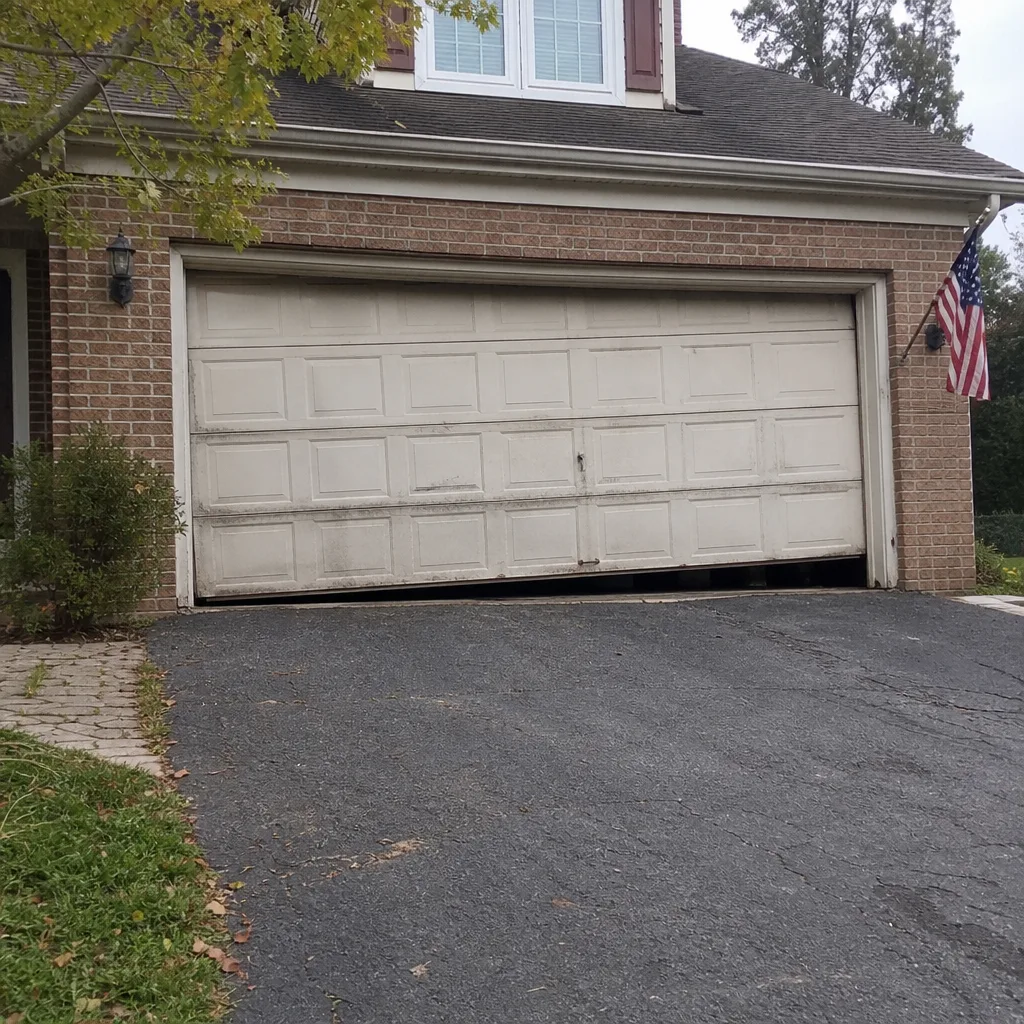 Before
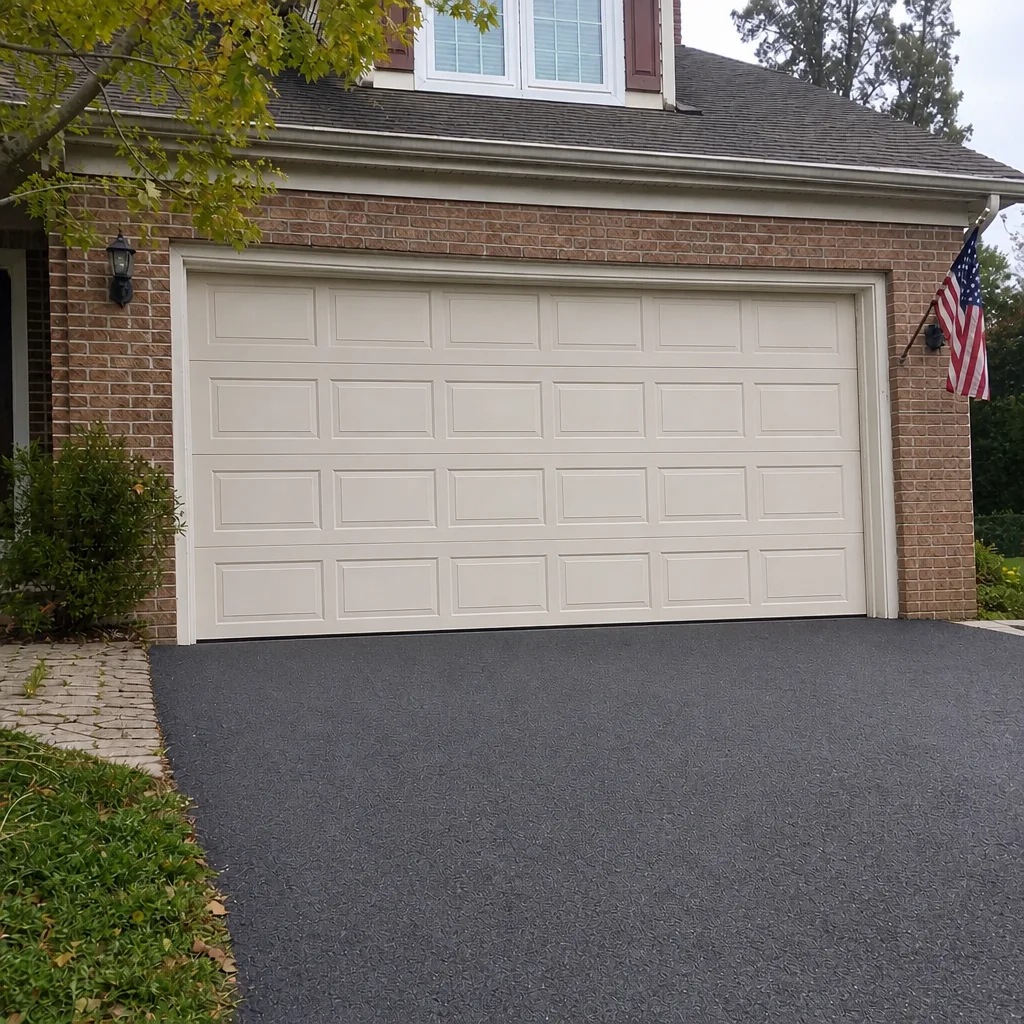 After
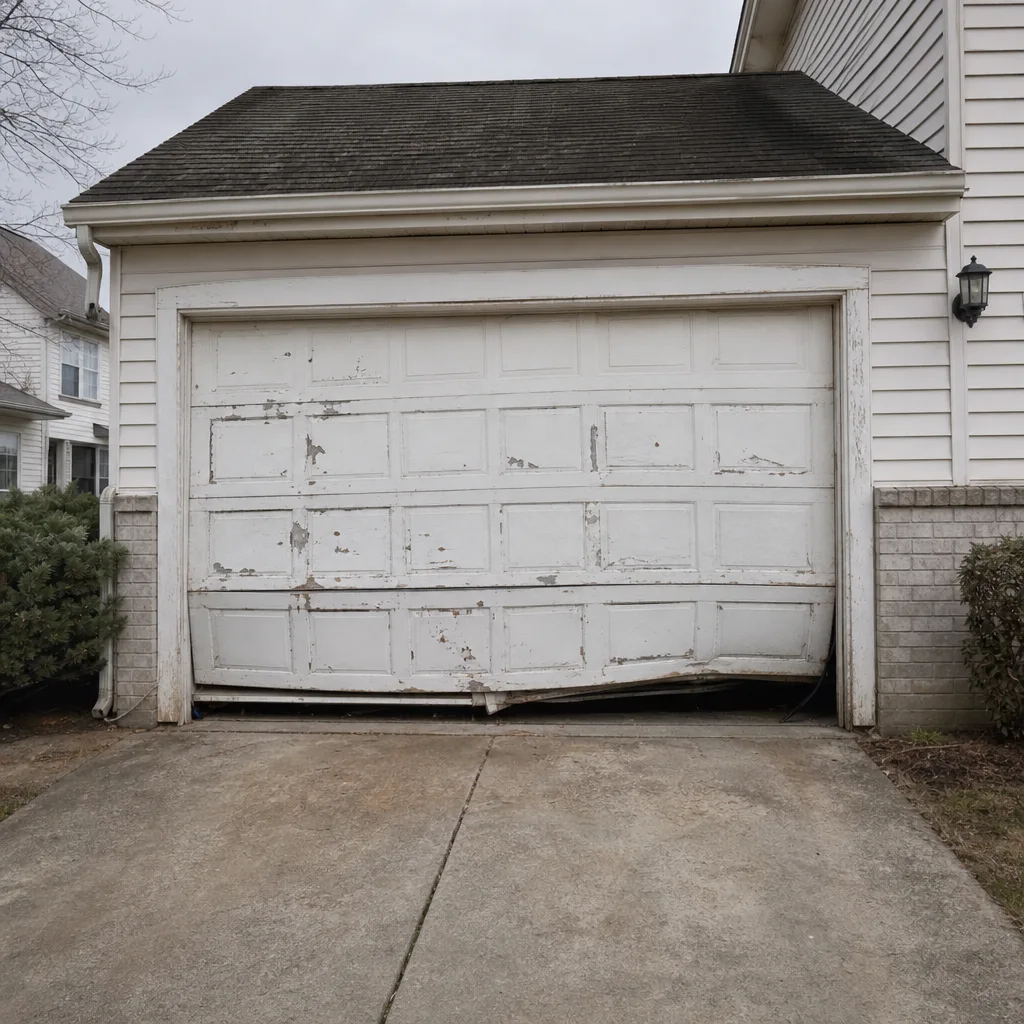 Before
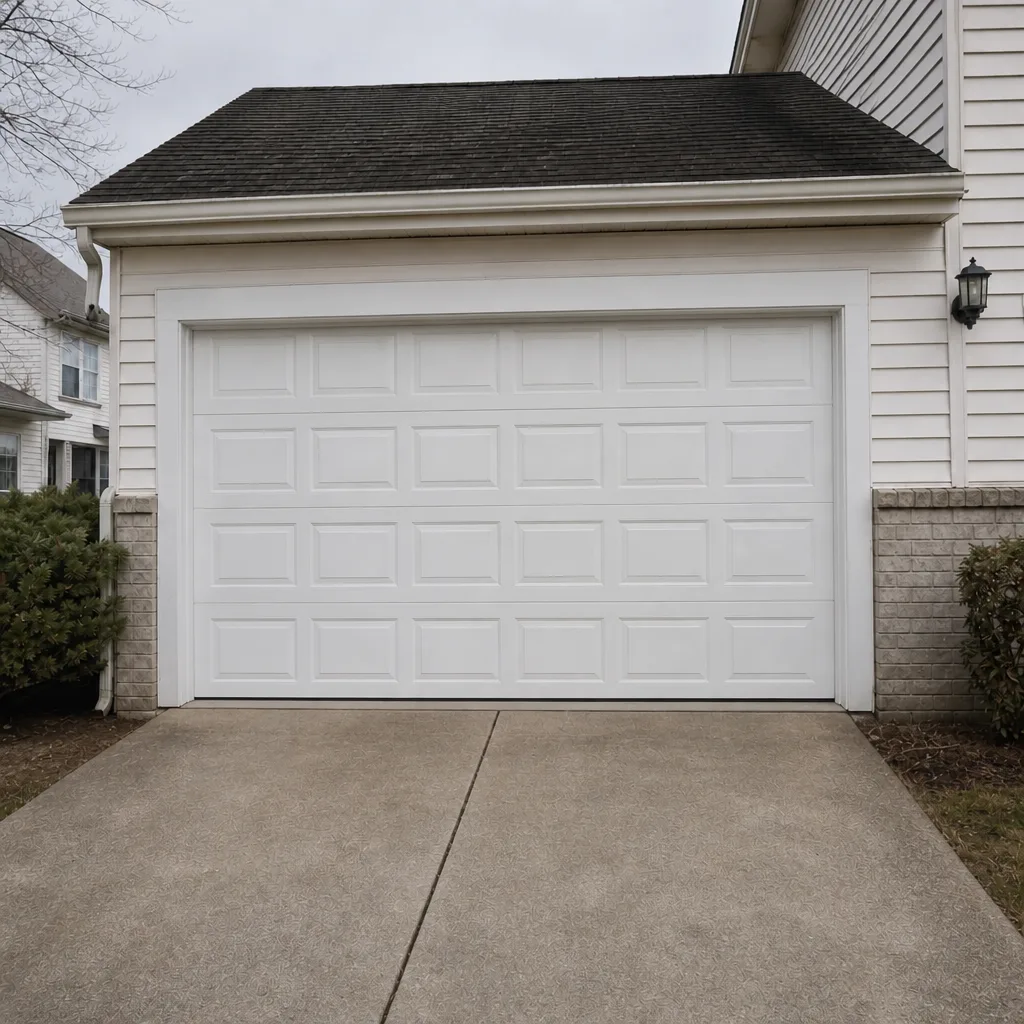 After
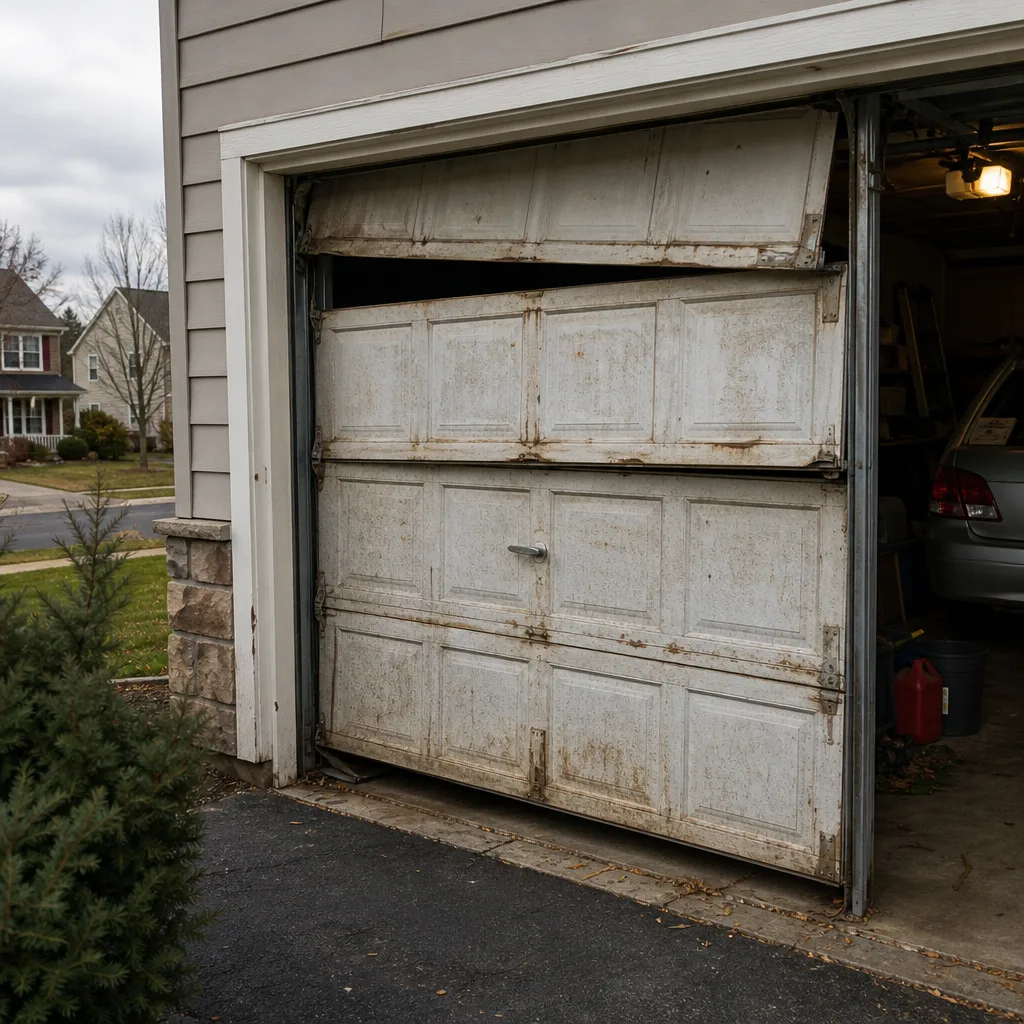 Before
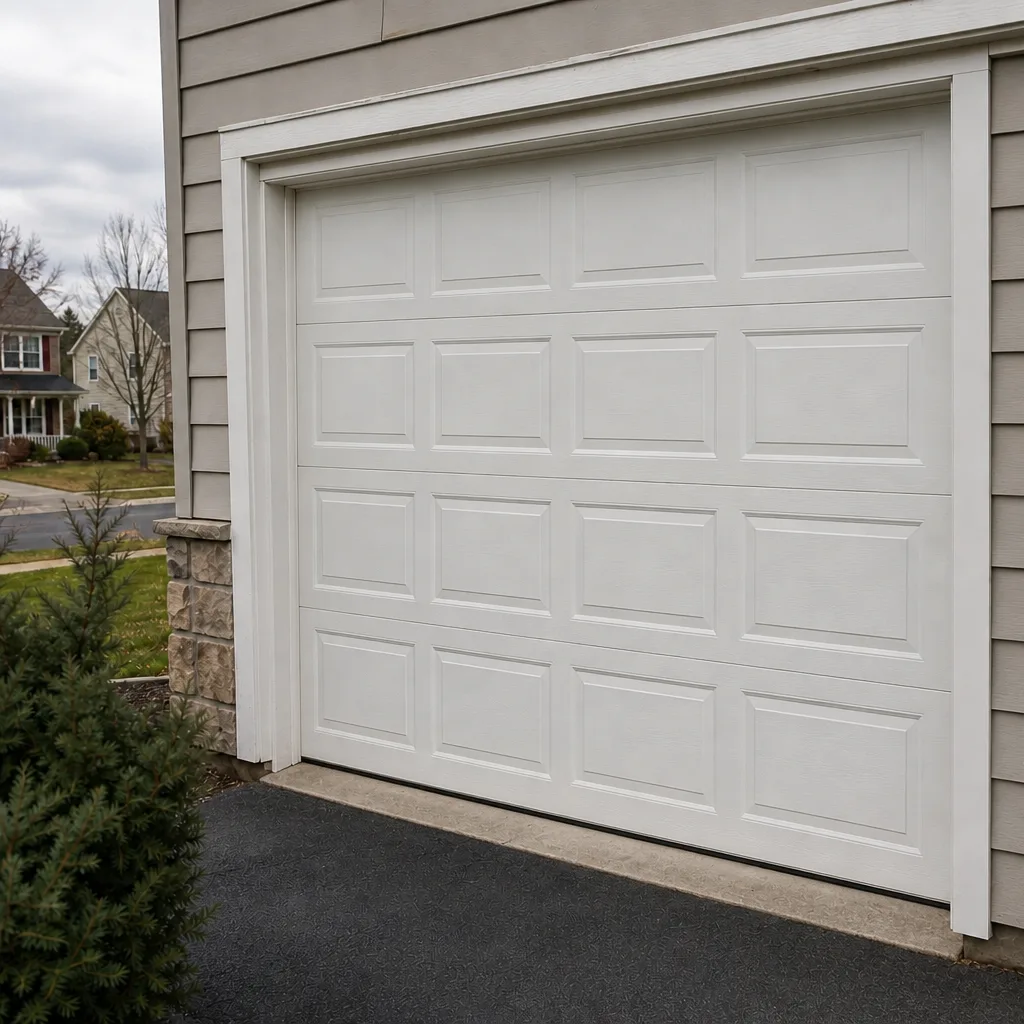 After
When to Call a Professional
Call a professional immediately if you hear popping, see a cable with frayed wires or a kink, notice a cable cross-wound on a drum, see a bowed bottom panel or a horizontal crease at the roller bracket, or if the door has come off its track. Also call if the door hesitates at the start of travel, won’t stay level, sinks on its own when disengaged, or an opener runs the door unevenly or inconsistently. These aren’t DIY items: the dangers are high-tension springs and cables under extreme load. Even a “small” fix should be done by a trained technician with the right tools. Garage Door Repair South Riding offers free estimates in South Riding – call (877) 509-3053 for straightforward diagnosis and a clear explanation of what needs to happen.
Frequently Asked Questions
The most common signs are a door that hesitates or moves unevenly, grinding or popping sounds during travel, a door that won’t hold its position when disengaged, frayed or kinked cables visible from the ground, and a bowed bottom panel or crease near the roller track. South Riding homeowners also see more door problems at season changes, when temperature swings reveal tension or alignment issues that were already developing. If you notice any of these, keep the door closed and have it checked.
Disengage the opener with the manual release, then lift the door by hand to about halfway and let go. If the door sinks or rushes upward, the springs are out of balance and it’s a door problem. If the door moves freely by hand but the motor still struggles, hums without moving, or reverses for no reason, the opener needs repair. That one test settles most of these questions before a technician arrives.
Yes. Popping usually means a cable is jumping a drum groove or a spring is slipping on its winding cone, and both involve high tension that can suddenly release. Stop operating the door and call for service. A cable that whips loose under load can cause serious injury, which is why this is the one sound we’d tell any homeowner to treat as urgent.
No, not on the spring and cable side. Torsion springs, extension springs, and cables hold stored tension that can injure or kill even an experienced person, and the proper repair requires specialized tools and training. Homeowners can safely do the visual checks and the disengaged balance test described in this guide, but any actual repair should be handled by a trained technician. For anything involving the opener electronics, garage door repair by a qualified pro is the safer route.
Yes, being home helps. The technician needs access to the door, the opener, and the garage so they can observe the full travel and do the balance test. Being there also lets you point out the sounds and timing you’ve noticed, which sharpens the diagnosis and reduces the chance of a second visit.
A bowed bottom panel weakens the door’s structural integrity, can bind the door in the track, and strains the springs and opener every cycle. Left alone, it can lead to a panel that fails or a roller that pulls out mid-travel, which raises the risk of the door coming off its track. It’s a stop-using-the-door sign and should be assessed before the door is run again.
The Bottom Line
Most garage door failures announce themselves weeks or months in advance through hesitation, sound changes, uneven travel, and ground-level visuals. Build the 60-second speed and balance test into your routine and note what you hear before you assume. If you see a frayed cable, a kinked one, a cross-wound drum, a bowed bottom panel, or a horizontal crease, stop using the door and call a professional. Watch for the season changes too, because they expose what was already there. None of this requires a ladder or tools. It requires knowing what to look and listen for, and knowing when to leave the high-tension parts alone.
Garage Door Repair South Riding works on the brand you already have, handles springs, openers, panels, and full installations, and offers emergency service when a door fails. Our technicians have up to 13 years of experience. Call (877) 509-3053 for a free estimate.
Written by the team at Garage Door Repair South Riding.